When selecting the right plumbing solutions for your home, many homeowners overlook the importance of effective drainage systems. Among these, Side Outlet Shower Drains stand out as an essential choice. A report by the National Kitchen and Bath Association indicates that optimization of bathroom layouts can dramatically enhance functionality. The right drain can prevent water pooling and subsequent damage, preserving the longevity of your home.
These drains offer a unique design that allows water to flow efficiently from the shower to the waste system. Their placement relative to the showerhead maximizes drainage capability. According to the American Society of Plumbing Engineers, improper drainage systems contribute to nearly 25% of all plumbing issues. This statistic underscores the importance of integrating quality products like Side Outlet Shower Drains in your home design.
Many consumers face challenges in identifying the best products for their needs. Not all drains are created equal, and choosing poorly can lead to regrets later. It's vital to research materials, flow rates, and installation methods. Homeowners should be aware of their unique water flow situations and consider consulting professionals for insight. Ultimately, making an informed decision will promote a sustainable and efficient bathroom environment.
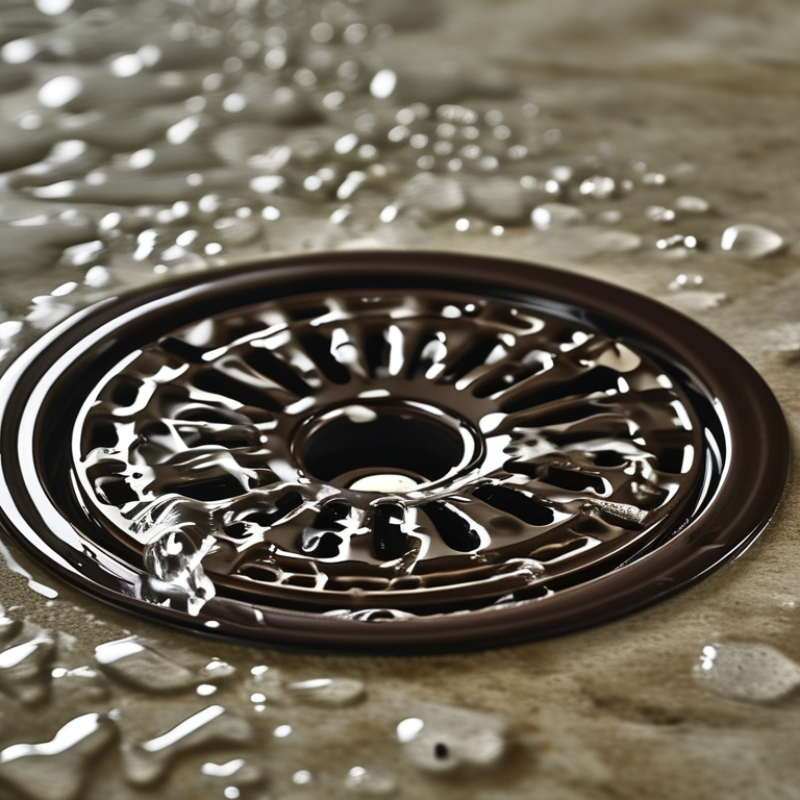
When considering side outlet shower drains, it's essential to explore various types available for home use. These drains come in different designs and materials, allowing homeowners to choose what best fits their needs. Common materials include PVC, stainless steel, and bronze. Each has distinct advantages, such as durability and resistance to rust. PVC is often more affordable and easy to install, while stainless steel offers a sleek appearance.
Another vital aspect is the drain style. There are linear and traditional models. Linear drains tend to work well in modern bathrooms. They provide a clean look and enhance water flow. Traditional round drains, on the other hand, are simpler and widely used. Their installation might be more straightforward, but they can sometimes lead to water pooling if not positioned correctly.
Right choice impacts not only functionality but also aesthetics. Homeowners must reflect on their plumbing layout and design preferences. Custom options may be available but can require extra investment. It's crucial to balance form and function when selecting the perfect side outlet shower drain for your space.
When selecting shower drains, several key features significantly impact functionality and aesthetics. First, consider the material. Stainless steel is durable and resists corrosion, making it a preferred choice among homeowners. Research indicates that stainless steel drains maintain their appearance over time, unlike plastic varieties, which may discolor. This durability is vital, especially in humid environments.
Next, the drainage capacity is crucial. A shower drain should handle water flow effectively. Studies show that drainage systems with a higher flow rate minimize the risk of clogging. Opt for drains designed with features like larger openings and proper slope specifications. These elements ensure efficient water drainage, preventing standing water that can lead to mold growth.
Lastly, aesthetics should not be overlooked. A well-chosen drain complements your bathroom's design. Available finishes range from brushed nickel to matte black, offering versatility. However, striking a balance between form and function remains essential. Selecting a visually appealing drain that meets performance standards can be challenging, but it is crucial for long-term satisfaction in your home.
When considering the installation of side outlet shower drains, proper knowledge is essential. Accurate installation ensures effective drainage, reducing the risk of water pooling. Reports show that improper drainage accounts for nearly 30% of shower leaks. A correct setup minimizes maintenance needs and maximizes efficiency.
Begin by determining the right location for the drain. The outlet should align with your plumbing system. An adequate slope, typically about a quarter inch per foot, directs water flow efficiently. Use a level during installation to avoid pitfalls. Sealing joints properly is crucial; leaks can compromise your flooring over time. Investing in a high-quality sealant can dramatically increase durability.
It is vital to consider drain sizing too. A 2-inch diameter is standard for most residential showers. However, larger showers may require a 3-inch drain to handle increased water flow. Be mindful of materials used; PVC and ABS are popular choices for their longevity. Yet, always check compatibility with existing plumbing setups to avoid complications. Taking these steps enhances the reliability of your shower drain system.
| Drain Model | Material | Size | Flow Rate (GPM) | Installation Difficulty |
|---|---|---|---|---|
| Model A | Stainless Steel | 4 inches | 30 GPM | Easy |
| Model B | PVC | 3 inches | 25 GPM | Medium |
| Model C | Brass | 5 inches | 40 GPM | Hard |
| Model D | ABS Plastic | 4 inches | 28 GPM | Easy |
| Model E | Cast Iron | 6 inches | 50 GPM | Medium |
Regular maintenance is essential for prolonging the life of your shower drains. Begin by inspecting the drain cover for debris. Hair and soap scum can accumulate quickly. A simple cleaning every week can prevent major clogs. Remove the cover gently, and use a small brush or cloth to clear any buildup. Performing this task regularly can save you from costly repairs later.
Consider using a drain strainer. This simple device catches hair and other particles. It reduces the chance of clogs significantly. However, remember to clean the strainer frequently. Leaving it unattended can lead to overflow issues. Even the best systems require attention to remain effective.
If you notice slow drainage, act promptly. This could indicate a deeper blockage. Pouring hot water down the drain can help dissolve minor obstructions. For stubborn clogs, a mixture of baking soda and vinegar can work wonders. Allow the solution to sit before flushing with hot water. Maintaining your shower drain is a proactive approach, enhancing its longevity and efficiency.
Finding the right side outlet shower drain requires careful consideration of various factors. In 2023, homeowners can choose from several top-performing models. According to industry reports, efficient drainage systems can reduce water pooling by 35%. This enhances safety and minimizes maintenance needs. Many modern designs also incorporate sound-dampening features, which create a more peaceful bathing experience.
One key factor in choosing a shower drain is installation ease. Some models allow for quick setup, reducing labor costs by 20%. Other designs, however, can pose challenges. Certain drains may require specialized tools that increase the time spent on installation. Homeowners should be aware of these potential pitfalls. Furthermore, materials like stainless steel are preferred for their durability and rust resistance, contributing to long-term functionality.
Performance ratings from experts indicate that side outlet drains perform well in various conditions. Systems that handle higher flow rates can manage shower water effectively. However, it is crucial to remember that not all drains are created equal. Each model comes with its strengths and weaknesses. Evaluating user reviews can provide insight into real-world performance. This allows homeowners to make an informed decision based on their unique needs.
: Stainless steel is durable and resists corrosion. It maintains appearance better than plastic over time.
A shower drain with high flow capacity reduces clog risks. Larger openings and proper slope ensure efficient drainage.
A visually appealing drain enhances bathroom design. Finding a balance between looks and function can be challenging.
Accurate placement and slope ensure effective drainage. Misaligned drains may lead to water pooling and leaks.
A standard 2-inch diameter is common, but larger showers require a 3-inch drain for better water flow.
Proper sealing of joints is vital. Investing in quality sealant prevents leaks that can damage flooring over time.
Some models allow for quick installation. Others might require special tools, increasing time and costs.
Expert ratings on flow rates help evaluate drain performance. Reviews can reveal each model's strengths and weaknesses.
Efficient systems can lower water pooling, leading to less maintenance. Proper installation plays a big role in this.
A subpar drain may result in frequent clogs or leaks. It's essential to research options to avoid long-term issues.
This article provides a comprehensive overview of Side Outlet Shower Drains, focusing on the various types available for home use. It discusses key features to consider when selecting the right drain, including durability, flow rate, and design compatibility with your bathroom. Furthermore, the article outlines an installation guide to ensure proper setup, as well as essential maintenance tips to prolong the life of your shower drains.
Additionally, readers will find a curated list of top brands and models of Side Outlet Shower Drains for 2023, helping them make informed decisions. Whether renovating or building a new bathroom, understanding these aspects will aid homeowners in choosing the best solution to meet their needs.

Xianglong