Top 10 Vertical Shower Drains for Global Buyers?

Time:2026-09-23 Author:Isabella
0%

Choosing among the Top 10 Vertical Shower Drains for Global Buyers requires more than comparing prices or polished product photographs. A drain may look elegant in a hotel bathroom, yet perform poorly when the outlet size, floor depth, or waterproofing system does not match. The best Vertical Shower Drains should move water quickly, resist corrosion, reduce odor risks, and remain accessible for cleaning. Small details matter.

Plumbing and heating expert Richard Trethewey offers a useful principle: “Good plumbing is designed to work reliably, not merely to look impressive.” This idea fits vertical drainage particularly well. Buyers should examine flow capacity, trap compatibility, grate strength, seal quality, installation depth, and replacement-part availability. They should also confirm regional standards with qualified installers, because building practices differ between markets.

No single model suits every project. That is the uncomfortable part. A compact drain can simplify installation but limit maintenance access. A larger outlet may improve drainage but require deeper floor preparation. Some stainless-steel finishes resist staining beautifully, while cheaper coatings can disappoint after repeated cleaning. This guide compares leading options through a practical global-buyer lens, including performance, material quality, installation demands, maintenance, supplier reliability, and long-term value. Specifications deserve attention. Marketing claims deserve a second look.
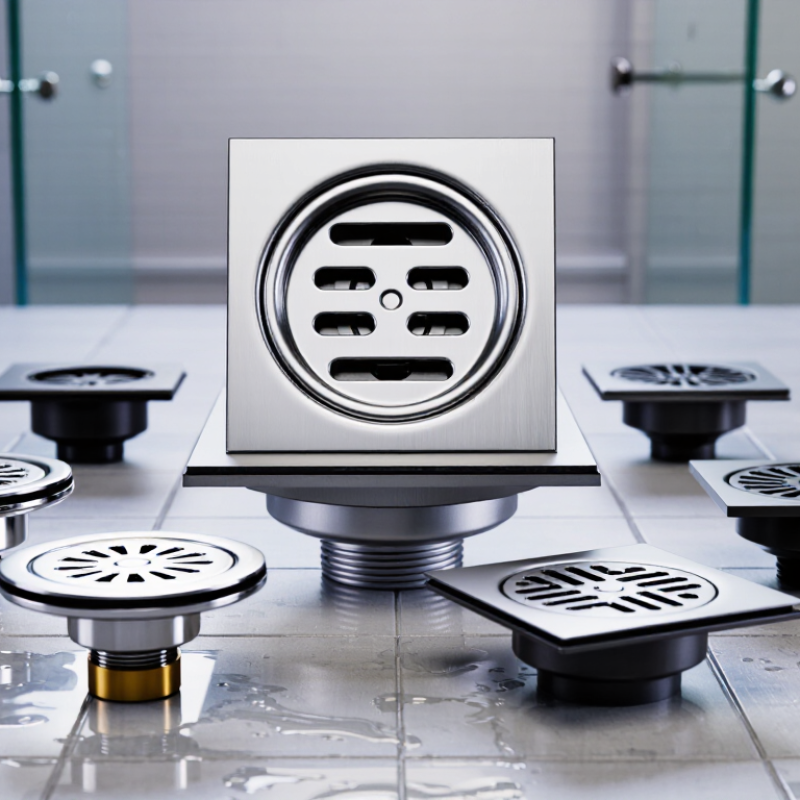
Top 10 Vertical Shower Drains for Global Buyers?

Define Vertical Shower Drains: 50–110 mm Outlets and 20–60 L/min Flow

Vertical shower drains use a downward outlet, usually sized between 50 and 110 mm. This layout sends water directly into the waste pipe, reducing horizontal bends beneath the shower floor. For global buyers, outlet diameter is only one selection point. Tested discharge capacity matters more.

A 50 mm outlet commonly suits compact residential showers, while larger outlets support heavier water loads and multiple shower heads. A practical specification range is 20–60 L/min. For comparison, the U.S. EPA WaterSense specification limits standard showerheads to 7.6 L/min, so a 20 L/min drain can handle one efficient fixture with useful reserve. Three fixtures may approach 23 L/min before body spray losses, splashing, or installation errors.

EN 1253-1 provides a recognized framework for testing drainage outlets under defined flow conditions. It also emphasizes water seals, grate performance, and connection reliability. Do not treat the maximum catalog flow as guaranteed site performance. Pipe slope, trap depth, debris, and imperfect leveling can reduce actual drainage. I have seen a correctly sized drain hold water because the outlet sat slightly above the pipe. Small mistakes matter.

For buyers comparing the top ten options, request measured flow data, outlet dimensions, trap details, and installation drawings. Confirm whether the stated 20–60 L/min refers to free discharge or a complete installed assembly. That distinction is easy to miss.

Top 10 Vertical Shower Drains for Global Buyers

Outlet sizes range from 50–110 mm, with nominal drainage capacities of approximately 20–60 L/min.

The comparison uses anonymous, representative drain configurations rather than company or brand data. Actual flow depends on outlet diameter, trap design, grate opening, installation conditions, and available water head.

Apply Global Standards: EN 1253, ASME A112.6.3, and Load-Class Requirements

Choosing among the top 10 vertical shower drains requires more than comparing outlet size or surface finish. For global projects, compliance evidence should guide the shortlist. EN 1253 provides a practical reference for drainage gullies, hygiene, dimensions, and performance. Ask for test reports, installation instructions, and traceable declarations. A polished grate means little if the body fails under site conditions.

For projects using North American specifications, ASME A112.6.3 addresses floor and trench drains, including structural and functional expectations. Do not assume one approval serves every market. Confirm the declared load class and testing method. A residential shower may need modest loading, while a hotel changing room sees carts, boots, and repeated impact. Vertical outlet alignment also matters. Poor alignment can stress the pipe connection and slow installation.

Tips: Request the exact standard edition and clause references. Check whether the load rating applies to the complete drain assembly, not only the grate. Verify flow testing with the intended water depth. Review corrosion resistance for coastal or chemical-cleaning environments.

One detail is easy to miss. A certificate cannot correct poor waterproofing, incorrect slope, or weak bedding. I would not treat compliance paperwork as final proof; site workmanship still determines long-term performance. Specifications are not always perfectly comparable, so buyers should record assumptions before approving a drain.

Compare the Top 10 by Flow Rate, Outlet Diameter, Seal Type, and Materials

For global buyers, the top ten vertical shower drains should be compared under the same test conditions. Flow rate is meaningful only when the report states water head, grate size, and trap configuration. EN 1253 testing commonly evaluates drainage performance at defined water depths, while ASPE guidance stresses correct sizing for fixture discharge. In practical screening, strong candidates often deliver about 0.6–1.0 litres per second. That range suits most residential showers, but high-flow body sprays may need more capacity.

Outlet diameter separates the shortlist quickly. The ten leading configurations usually use 50, 75, or 110 millimetre outlets. A 50-millimetre outlet saves floor space, yet a 75-millimetre connection offers better tolerance against hair and construction debris.

Seal type also matters. Water seals are familiar and inexpensive, but evaporation can weaken protection in vacant properties. Mechanical membrane seals reduce this risk, although poor installation may cause leakage or sticking.

Small detail, large consequence.

Material comparisons favour stainless steel for grates and visible collars because it resists corrosion and supports easier cleaning. ABS and polypropylene bodies reduce weight and cost, but temperature limits and chemical compatibility require checking. The top ten should therefore be ranked by verified flow, outlet diameter, seal performance, and material thickness—not appearance alone. Certification evidence should be traceable to EN 1253, ASME A112.18.2, or applicable local standards. I would not treat one laboratory number as universal; site slope, pipe length, and installation errors can change actual drainage.

Evaluate Waterproofing, Corrosion Resistance, and 50–100 mm Pipe Interfaces

Top 10 Vertical Shower Drains for Global Buyers

When comparing ten vertical shower drains, inspect waterproofing before appearance. A drain should connect tightly with the membrane system around the floor opening. Look for a broad bonding flange, stable clamping parts, and clear installation tolerances. Water should move directly into the outlet, not collect beneath the tiles. Small errors matter.

Pipe compatibility also deserves careful checking. Many projects use 50, 75, or 100 mm vertical interfaces, but outside diameters can vary by region. Confirm the actual pipe measurement, joint depth, and sealing method before ordering. A flexible connector may solve alignment problems, yet it can introduce another failure point if poorly supported. I once assumed a nominal 75 mm connection would fit every site. That assumption was wrong.

Corrosion resistance depends on material, surface treatment, and daily exposure. Stainless steel offers strong resistance, but its grade and fabrication quality still matter. Check welds, edges, fasteners, and the area beneath the grate. Harsh cleaners can damage finishes over time. Rinse residue regularly. A removable trap or access panel helps inspection and cleaning, especially in high-use hotels.

Waterproofing performance is not proven by a product sheet alone. Request installation drawings, test data, and maintenance guidance from the supplier. On-site workmanship remains decisive. Even a well-designed drain can fail when the membrane is cut too widely or the outlet lacks firm support.

Select by Climate, Installation Method, Maintenance Needs, and Market Codes

Choosing among the top 10 vertical shower drains starts with climate, not appearance. In freezing regions, protect the trap and confirm insulation details before installation. Humid coastal areas need corrosion-resistant metal and carefully sealed joints. Hard water can reduce flow through narrow outlets. A simple test with a full bucket often reveals more than a catalogue photograph.

Installation method also changes the best choice. New bathrooms allow accurate pipe alignment, waterproofing, and floor slope planning. Renovation projects may require adjustable outlets, compact bodies, or connections that fit existing pipes. A qualified installer should check the water seal, drainage capacity, and finished floor height. Local plumbing codes may define grate openings, trap depth, access, and minimum flow rates. These rules differ between markets. Never treat one country’s approval as universal.

Tips: Choose a removable grate, smooth internal surfaces, and reachable cleaning access. Ask for tested flow data, material specifications, and installation drawings. In dusty or high-use bathrooms, inspect the drain weekly and remove hair before flushing. A drain can look premium yet perform poorly when its outlet is undersized. I have found that easy maintenance often matters more than decorative finish. Buyers should also confirm spare-part availability locally. That detail is easy to miss.

Top 10 Vertical Shower Drains for Global Buyers — Select by Climate, Installation Method, Maintenance Needs, and Market Codes

Rank Vertical Drain Configuration Recommended Climate Typical Outlet Size Typical Flow Range* Installation Method Waterproofing and Connection Details Maintenance Profile Common Market Codes and Standards
1 Stainless-steel square grate with vertical outlet All climates
Particularly suitable for high-use residential and hospitality bathrooms.
50 mm nominal outlet; some systems use 75 mm. Approximately 36–60 L/min, depending on grate area, trap design, and test head. Set into a concrete slab or mortar bed; connect directly to a vertical waste pipe below the floor. Use a clamping flange or bonded waterproofing flange. Maintain a continuous shower-floor slope of approximately 1:80 to 1:100 where permitted by local code. Lift-off or screw-fixed grate; remove hair and soap residue monthly in normal residential use. EN 1253; ASME A112.6.3; applicable national plumbing and waterproofing requirements.
2 Tile-insert vertical drain with concealed grate Dry Humid
Best where visual continuity with large-format tile is important.
50 mm nominal outlet is common; confirm compatibility with the trap. Approximately 30–50 L/min, depending on tile insert weight and drainage channel geometry. Install the adjustable frame before tiling; align the tile insert with the finished floor surface. Requires a compatible waterproofing flange and careful sealing around the frame. Avoid reducing the designed drainage opening with excessive adhesive or grout. More frequent cleaning may be needed because grout lines can retain soap and hair; removable insert improves access. EN 1253 for floor gullies where applicable; local accessibility, plumbing, and wet-area waterproofing rules.
3 Low-profile vertical drain with mechanical odor trap Cold Seasonal
Useful where floor depth is limited but a waterless odor seal is desired.
50 mm outlet; compact bodies may require a specified minimum pipe diameter. Approximately 30–45 L/min under typical shower conditions. Install within a shallow screed or prefabricated shower base; verify the required body depth before construction. Use the manufacturer-specified flange and membrane connection. Mechanical seals should remain accessible for inspection. Clean the valve or membrane periodically; inspect for hair, sediment, and mineral deposits that could restrict movement. Applicable portions of EN 1253 or ASME A112.6.3, plus local requirements for trap seals and backflow protection.
4 Deep-water-seal vertical drain with removable strainer Hot Dry Infrequently used
Suitable where evaporation could reduce a shallow trap seal.
50 mm or 75 mm nominal outlet, depending on drainage load. Approximately 40–60 L/min when correctly sized and vented. Install below a slab or shower tray with sufficient vertical clearance for the deeper trap body. Provide a properly sealed waterproofing flange and access to the strainer. A deeper water seal does not replace required venting or backflow controls. Strainer should be cleared monthly in busy bathrooms; flush periodically in guest rooms or rarely used facilities. EN 1253 and local plumbing rules governing trap-seal depth, venting, and wastewater connection.
5 Vertical drain with integrated hair catcher High-occupancy Humid
Appropriate for gyms, dormitories, hotels, and family bathrooms.
50 mm nominal outlet is typical; larger outlets may be specified for multiple shower areas. Approximately 35–55 L/min, subject to the catcher’s open area. Install in a prepared floor opening with the catcher positioned directly below the grate for easy removal. Connect the flange to the waterproofing system before applying the final floor finish. Confirm that the catcher does not obstruct the trap outlet. Requires weekly inspection in high-use locations; empty the catcher before debris reaches the trap. ASME A112.6.3 or EN 1253 where applicable; local commercial plumbing and hygiene requirements.
6 Heavy-duty cast-body vertical floor drain Commercial Freeze-prone
Suitable for robust floor construction and frequent cleaning.
75 mm nominal outlet is common; 100 mm may be used for higher drainage loads. Approximately 60–100 L/min when matched with the pipe size and drainage demand. Set into structural concrete or a reinforced slab with the body supported independently of the grate. Use a mechanically clamped waterproofing flange. Provide suitable corrosion protection when exposed to cleaning chemicals or de-icing residues. Removable grate and sediment basket simplify periodic maintenance; inspect for corrosion and loose fasteners. ASME A112.6.3; EN 1253 where applicable; local commercial, industrial, and load-rating provisions.
7 Vertical drain with adjustable-height grate frame Renovation Mixed floor finishes
Useful when finished floor thickness is difficult to predict.
50 mm nominal outlet; verify adjustment range and outlet alignment. Approximately 30–50 L/min under normal shower flow conditions. Install the drain body during rough-in, then adjust the frame to the final tile, stone, or resin floor height. Protect the adjustment threads from mortar and confirm that the final grate remains flush without creating a trip edge. Clean the grate and check frame stability after floor movement or renovation work. EN 1253 or ASME A112.6.3 as applicable; local requirements for finished-floor transitions and wet-area drainage.
8 Anti-corrosion polymer-body vertical drain Coastal Tropical Chemical exposure
Suitable where chloride or cleaning-agent exposure is a concern.
50 mm or 75 mm nominal outlet, depending on the polymer body and trap assembly. Approximately 30–55 L/min, depending on internal geometry and grate design. Install in a slab, screed, or compatible shower base; follow the specified solvent-weld or elastomeric connection method. Confirm material compatibility with hot water, disinfectants, sealants, and the selected waterproofing membrane. Usually easy to rinse and resistant to surface corrosion; inspect seals for aging, swelling, or loss of elasticity. Applicable EN 1253 or ASME A112.6.3 requirements, together with local material, fire, and plumbing regulations.
9 Vertical drain with dry odor and pest barrier Hot Dry Intermittent use
Helpful where trap evaporation or pest entry is a recurring concern.
50 mm nominal outlet is typical; ensure the barrier is rated for the intended flow. Approximately 25–45 L/min, depending on the barrier mechanism and maintenance condition. Install vertically below the shower floor with an accessible removable cartridge or service insert. Waterproof the flange separately from the odor barrier. The device should not be used as a substitute for a required conventional trap unless local code expressly permits it. Inspect and rinse the barrier regularly; mineral scale can affect spring, membrane, or float operation. Local acceptance is important; verify conformity with EN 1253, ASME A112.6.3, or the applicable national plumbing authority.
10 Accessible shower drain with slip-resistant grate Universal design Healthcare Public facilities
Suitable where safe floor transitions and drainage reliability are priorities.
50 mm nominal outlet for single showers; 75 mm may be selected for larger wet rooms. Approximately 35–60 L/min, subject to the grate opening and drainage system capacity. Install flush with the finished floor and coordinate the drain location with wheelchair turning space, shower entry, and floor slope. Use a fully bonded or clamped waterproofing flange. Eliminate sharp edges and keep the grate level with the surrounding surface. Use a removable grate and clean routinely; verify that the grate remains secure and slip resistance is maintained. Local accessibility rules, ASME A112.6.3 or EN 1253 where applicable, plus national wet-room and plumbing requirements.

Selection note: Flow figures are indicative comparison ranges for single-shower applications, not universal product ratings. Final selection should be verified against the drainage pipe diameter, trap configuration, available floor depth, waterproofing system, grate load class, local plumbing authority, and the applicable edition of the referenced standard.

Technical basis: Dimensions, installation practices, and compliance references reflect commonly used international shower-drain specifications. Local regulations take precedence, especially for trap seals, venting, accessibility, waterproofing, fire protection, and wastewater discharge.

FAQS

What should buyers verify before choosing a vertical shower drain?

Request test reports, installation drawings, and traceable compliance documents. Check the exact standard edition and referenced clauses. Paperwork is not everything.

Does the grate’s load rating cover the whole drain?

Not always. Confirm that testing covers the complete assembly, including the body, grate, and supports. A hotel changing room may need higher resistance than a home bathroom.

Why is vertical outlet alignment important?

Poor alignment can stress the pipe joint and delay installation. Confirm the outlet position before ordering. Small errors matter.

Which pipe details should buyers check?

Confirm the actual outside diameter, joint depth, and sealing method. Common nominal sizes include 50, 75, and 100 millimetres. Nominal size can mislead.

How can a drain protect floor waterproofing?

Look for a wide bonding flange, reliable clamping parts, and clear installation tolerances. The membrane must seal tightly around the opening. Avoid oversized cuts.

What materials suit coastal or chemical-cleaning environments?

Choose corrosion-resistant metal with suitable grade and fabrication quality. Inspect welds, edges, fasteners, and hidden surfaces. Harsh cleaners still cause damage.

Should climate affect the drain selection?

Yes. Freezing regions need trap insulation and protection. Coastal bathrooms need carefully sealed joints. Hard water may restrict narrow outlets.

Which maintenance features are most useful?

Choose a removable grate, smooth internal surfaces, and reachable cleaning access. Remove hair before flushing. Weekly checks help in busy bathrooms.

Is a flexible connector always a good solution?

It can correct pipe alignment, but it may create another weak point. Provide firm support and check the seal carefully. I once trusted a nominal connection. It did not fit.

What should renovation projects consider?

Existing pipes may require adjustable outlets, compact drain bodies, or special connection depths. Check the finished floor height and slope. Catalogue images cannot confirm fit.

Conclusion

Vertical Shower Drains are designed to provide efficient, reliable water removal in residential, hospitality, and commercial bathrooms. This guide explains how outlet sizes from 50 to 110 mm and flow rates of approximately 20–60 L/min affect drainage performance. It also introduces key considerations for international buyers, including EN 1253, ASME A112.6.3, and suitable load-class requirements. A practical comparison of ten drain options focuses on flow rate, outlet diameter, seal type, construction materials, and overall installation flexibility.

The article also examines waterproofing performance, corrosion resistance, and compatibility with 50–100 mm pipe interfaces. Buyers can select the most suitable solution by considering local climate, installation method, maintenance requirements, and applicable market codes. By balancing drainage capacity, long-term durability, sealing reliability, and regulatory expectations, purchasers can make a more confident choice for different bathroom layouts and project conditions.


Isabella

Isabella

Isabella is a dedicated marketing professional with a sharp focus on driving brand growth and engagement through strategic content creation. With an extensive background in digital marketing, she combines her passion for storytelling with her keen understanding of industry trends to deliver......