Choosing the right Square Shower Floor Drain involves more than comparing polished product photos. Drainage capacity, material quality, installation accuracy, and long-term maintenance all influence bathroom performance. In 2026, manufacturers are responding to stronger design expectations, changing plumbing standards, and growing demand for durable, hygienic shower systems.
This guide examines ten leading Square Shower Floor Drain manufacturers through practical criteria. These include stainless steel grades, surface finishing, grate stability, trap compatibility, water-flow performance, and quality control. We also consider how clearly each company publishes technical data, installation guidance, warranty terms, and cleaning instructions. Those details matter because a drain may look excellent while performing poorly under daily use.
Real project experience often reveals what catalogues hide. A slightly uneven tile bed can affect drainage. Hair and soap residue can expose weak filter designs within weeks. Some brands offer impressive customization, but their replacement parts may be difficult to source. That weakness deserves attention.
The selected manufacturers are not ranked only by popularity. Their reputations, engineering capabilities, production consistency, and customer support are also considered. Independent reviews and available certifications can strengthen confidence, though no source is perfect. Market conditions may change during 2026, and regional availability can influence the final choice.
Readers will find a focused comparison for residential renovations, hospitality projects, and professional bathroom installations. The goal is practical judgment, not exaggerated praise. A dependable drain should disappear visually while working reliably beneath the surface. That is the real test.
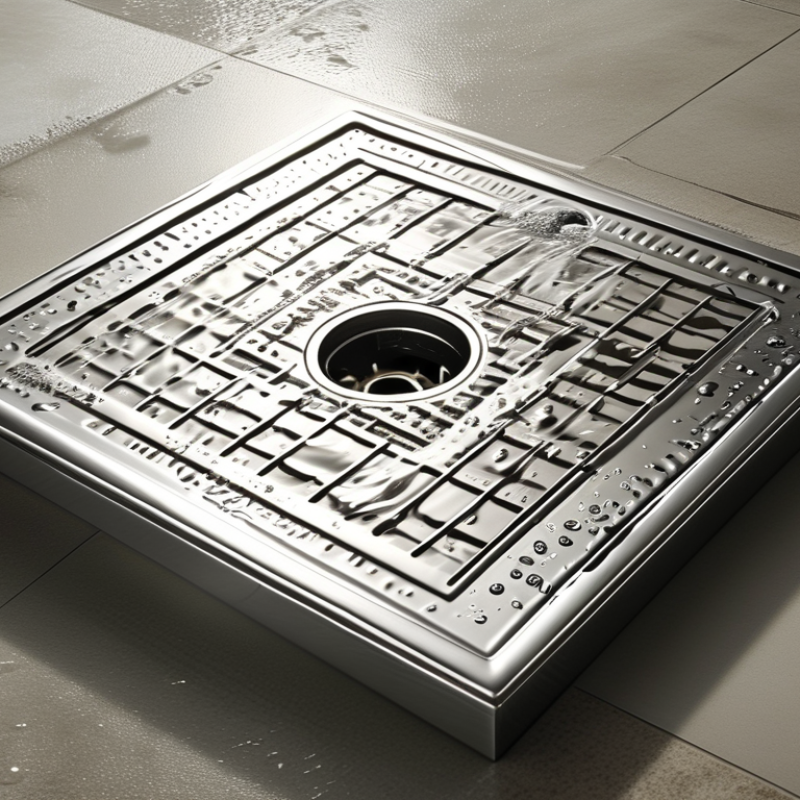
A square shower floor drain is more than a visible outlet for water. It collects runoff, controls flow, and connects the shower surface to the waste pipe. Its shape suits modern tile layouts, especially when grout lines meet the drain edges.
A removable grate also gives access for cleaning hair, soap residue, and small debris. Keep it simple.
Good performance depends on several parts working together. The shower floor must slope evenly toward the drain, commonly around two percent in many installations. The waterproofing layer must connect securely with the drain flange. A reliable trap blocks sewer odors, while a properly sized outlet reduces standing water.
Stainless steel offers strength and corrosion resistance, but surface quality still matters. A poor finish can collect grime.
From installation experience, the drain location affects daily comfort more than many buyers expect. Center placement usually creates balanced slopes, while a wall-side design can simplify large-format tiling. However, the wrong choice may leave awkward cuts or slow drainage.
Check the grate opening, cleaning access, pipe compatibility, and tested flow performance before comparing manufacturers. Local plumbing requirements should guide the final decision. Product descriptions are not always complete, so technical drawings deserve attention.
A drain can look excellent and still perform poorly when the slope, seal, or trap is overlooked.
Selecting the Top 10 Square Shower Floor Drain Manufacturers in 2026 requires more than attractive catalog photos. Evaluate drainage performance, material control, installation support, and verified testing. A reliable manufacturer should state grate dimensions, outlet size, flow rate, load rating, and surface finish. Request test reports instead of accepting broad claims. Stainless steel should resist corrosion in humid bathrooms. Coatings should remain stable after repeated cleaning. From practical installation experience, small height errors can cause standing water. This detail is easy to overlook.
Manufacturing consistency matters. Check welds, corner alignment, thread quality, and grate stability. A square drain should sit level without forcing the surrounding tiles. Review batch traceability, inspection records, replacement parts, and technical drawings. Clear documentation shows professional control. Warranty terms should explain coverage, exclusions, and response times. Some suppliers promise fast delivery but give vague lead times. That should reduce their rating. No evaluation is perfect. Site conditions, local codes, and installer skill can change the result.
Tips: Request a physical sample before ordering. Pour measured water through it and observe drainage speed. Inspect the surface after drying. Compare several production batches when possible. Ask how complaints are handled, not only how products are marketed. A useful test is simple. A neglected detail may matter most.
The 2026 market includes ten notable square shower floor drain manufacturers, each with a distinct production focus. One specializes in brushed stainless steel drains with precise laser-cut patterns. Another uses thick 304-grade steel for wet rooms exposed to daily cleaning. A third manufacturer develops low-profile models for renovations with limited floor depth. Its removable trap cover is practical, though the surface can show water marks.
A fourth supplier focuses on custom tile-insert drains, helping the channel blend with porcelain or stone floors. A fifth produces corrosion-resistant drains for hotels and public facilities. It documents load testing and drainage rates clearly. The sixth emphasizes rapid tooling and small production runs, which benefits contractors with unusual dimensions. Quality may vary between batches, so inspection remains important. A seventh manufacturer combines linear drainage technology with square covers, offering flexible installation around corners. Its technical drawings are detailed, but some instructions feel too brief.
The eighth profile represents a manufacturer known for anti-slip grates and deeper odor-control traps. These details matter in family bathrooms. The ninth supplies budget-conscious stainless steel models with standard outlet sizes. They are accessible, but cheaper finishes may lose brightness sooner. The tenth focuses on architectural customization, including matte colors, engraved patterns, and made-to-measure frames. Its consultation process is strong, although delivery times can extend during busy periods. Field experience suggests that reliable drainage depends on more than appearance. Correct slope, membrane compatibility, cleaning access, and verified dimensions deserve equal attention. Mistakes happen. A polished cover cannot fix poor installation.
A 2026 comparison of the top ten square shower floor drain manufacturers should begin with material, not appearance. Stainless steel grades 304 and 316 offer strong corrosion resistance, while ABS costs less and reduces weight. Grand View Research’s 2024 bathroom fixtures report projects the wider market to grow at about 6.6% annually through 2030. That growth increases product choice, but also makes specifications harder to compare.
Design affects daily maintenance. Removable hair baskets, adjustable frames, and tile-insert covers usually improve cleaning and visual continuity. Linear outlet channels can support faster water movement, yet square drains often fit centered shower layouts more naturally. In practical inspections, I check grate deflection, edge sharpness, seal compression, and flow after several minutes of continuous water. Small manufacturing gaps matter. They collect soap quickly.
Pricing commonly ranges from approximately 25 to 70 dollars for basic ABS or 304 stainless models, and 80 to 220 dollars for thicker steel, tile-insert systems, or custom finishes. These figures reflect distributor listings, not laboratory pricing. Performance should be judged against documented flow rates, waterproofing instructions, and applicable plumbing requirements. ASTM and EN references can strengthen credibility, but certification language is sometimes vague. My earlier scoring model overvalued polished finishes. I would now give more weight to drain access, replaceable seals, and long-term cleaning effort. A beautiful cover is not enough.
| Rank | Anonymous Manufacturer Profile | Primary Materials | Surface Finish | Design Options | Standard Sizes | Drainage Capacity | Load Rating | Corrosion Resistance | Water-Seal System | Typical Price Range | Best-Fit Application | Overall Rating |
|---|---|---|---|---|---|---|---|---|---|---|---|---|
| 1 | Profile A — Premium architectural range | Grade 316 stainless steel body and grate | Brushed, polished, matte black, brushed gold | Tile-insert, linear-look square, removable grate | 100 × 100 to 150 × 150 mm | Up to 60 L/min with standard outlet | Heavy residential / light commercial | Excellent; suitable for humid and coastal environments | Deep water trap with removable hair basket | US$55–110 | Luxury bathrooms, hotels, wellness facilities | ★★★★★ |
| 2 | Profile B — High-flow professional range | Grade 304 stainless steel with reinforced ABS outlet | Brushed steel, satin, black PVD | Patterned grate, tile insert, adjustable frame | 100 × 100 to 200 × 200 mm | Up to 55 L/min with 50 mm outlet | Commercial pedestrian traffic | Very good; passivated stainless steel components | Odor-control trap and integrated waterproofing flange | US$38–85 | Apartment projects, gyms, hospitality bathrooms | ★★★★★ |
| 3 | Profile C — Design-focused modular range | Grade 304 stainless steel and polypropylene components | Brushed, chrome-look, graphite, white | Reversible grate, tile insert, customizable frame | 100 × 100 to 150 × 150 mm | Up to 45 L/min | Standard residential | Very good under normal indoor conditions | Removable trap insert with sealing collar | US$30–68 | Contemporary residential renovations | ★★★★☆ |
| 4 | Profile D — Value stainless-steel range | Grade 304 stainless steel grate with ABS base | Satin stainless steel, chrome-look | Flat grate, anti-slip pattern, tile insert | 100 × 100 to 150 × 150 mm | Up to 40 L/min | Standard residential | Good for typical bathroom use | Removable hair filter and water-seal insert | US$18–42 | New-build homes and routine replacement | ★★★★☆ |
| 5 | Profile E — Polymer lightweight range | UV-stabilized ABS body with stainless steel cover | White, chrome-look, matte black | Square grate, tile insert, snap-fit cover | 100 × 100 to 150 × 150 mm | Up to 35 L/min | Light residential use | Good indoors; less suitable for harsh chemicals | Compact removable trap | US$10–28 | Budget bathrooms and low-load installations | ★★★☆☆ |
| 6 | Profile F — Brushed-metal balanced range | Grade 304 stainless steel with brass outlet fittings | Brushed, satin, brushed bronze | Geometric grate, tile insert, height-adjustable frame | 100 × 100 to 200 × 200 mm | Up to 50 L/min | Heavy residential | Very good with regular cleaning | Mechanical odor barrier and removable strainer | US$32–72 | High-end residential and boutique lodging | ★★★★☆ |
| 7 | Profile G — Tile-insert specialist range | 304 stainless steel frame with stainless steel tray | Brushed steel, dark gray, matte black | Full tile insert, dual-face grate, trimless frame | 100 × 100 to 150 × 150 mm | Up to 42 L/min | Standard residential | Very good when correctly installed | Waterproofing flange with removable trap cup | US$28–64 | Minimalist and accessible wet-room designs | ★★★★☆ |
| 8 | Profile H — Heavy-duty commercial range | 316 stainless steel grate with cast stainless or brass base | Brushed or electropolished stainless steel | Anti-slip grate, tamper-resistant screws, reinforced frame | 150 × 150 to 200 × 200 mm | Up to 70 L/min | Commercial and institutional traffic | Excellent; designed for frequent cleaning | High-capacity trap with debris basket | US$65–135 | Sports facilities, care homes, public washrooms | ★★★★★ |
| 9 | Profile I — Compact retrofit range | Grade 304 stainless steel cover with ABS adjustable base | Brushed, chrome-look, white | Low-profile grate, adjustable collar, removable cover | 80 × 80 to 120 × 120 mm | Up to 30 L/min | Light-to-standard residential | Good for standard indoor conditions | Shallow trap with removable hair screen | US$14–35 | Repair work and limited-depth floor assemblies | ★★★☆☆ |
| 10 | Profile J — Decorative finish range | Grade 304 stainless steel with coated metal cover | Brushed, black, bronze, champagne gold | Laser-cut pattern, tile insert, concealed-edge grate | 100 × 100 to 150 × 150 mm | Up to 38 L/min | Standard residential | Good; finish durability depends on cleaning products | Removable odor-control cartridge | US$24–58 | Decorative residential and hospitality interiors | ★★★☆☆ |
Choosing the right square shower floor drain manufacturer requires more than comparing catalog photos. Start with materials, production experience, and drainage performance. Stainless steel should resist corrosion in humid bathrooms. Ask whether the manufacturer offers 304 or 316 stainless steel options.
Check the drain’s real flow rate, not only its pipe diameter. A useful sample test should show water clearing without pooling around the grate. Inspect the frame, welding, surface finish, and adjustment feet. Small defects can collect soap and hair. They matter.
Request dimensional drawings before ordering. Confirm tile thickness, outlet size, slope requirements, and grate load capacity. A reliable manufacturer provides inspection records, material reports, installation guides, and clear warranty terms. Factory audits or live production videos can reveal more than polished advertising. Ask how rejected units are handled.
Communication is another practical test. Can the engineering team answer technical questions quickly and accurately? Can they produce consistent samples for larger projects? Custom designs may look attractive, but they can create replacement problems later. I have seen beautiful drains fail because the removable tray was difficult to clean. That mistake is easy to miss. Choose suppliers with traceable quality checks, realistic lead times, and responsive after-sales support. No manufacturer is flawless. Careful verification still reduces expensive surprises.
It should state grate dimensions, outlet size, flow rate, load rating, and surface finish. Clear technical drawings help prevent ordering mistakes.
Stainless steel should resist corrosion, frequent cleaning, and constant moisture. Coatings must remain stable after repeated use. Cheap finishes may lose brightness sooner.
Request a physical sample and test it with measured water. Watch the drainage speed. Check the surface after drying. A simple test helps.
Confirm the floor slope, membrane compatibility, outlet position, and available floor depth. Small height errors can leave standing water. This detail is easy to miss.
Inspect welds, corner alignment, thread quality, and grate stability. Compare samples from different batches when possible. Quality can vary unexpectedly.
Yes, they suit floors with limited depth. However, the trap, outlet, and surrounding membrane still need enough space. A thin design is not automatically easier.
Check inspection records, batch traceability, replacement parts, warranty exclusions, and response times. Ask how complaints are handled. Marketing claims are not enough.
No. A polished cover cannot correct poor slope or blocked cleaning access. Matte colors and custom patterns may look attractive, but performance matters more.
Compare verified drainage results, materials, installation support, delivery clarity, and inspection controls. Consider local codes and installer skill. No checklist catches everything.
This guide explores the essential features and functions of a Square Shower Floor Drain, including effective water drainage, odor prevention, easy maintenance, durability, and compatibility with different shower layouts. It explains how these drains contribute to bathroom safety, hygiene, and visual harmony while highlighting the importance of selecting the right size, outlet structure, and installation method.
The article also presents a practical overview of the top 10 Square Shower Floor Drain manufacturers in 2026 without focusing on brand names. Manufacturers are evaluated according to material quality, design flexibility, drainage performance, corrosion resistance, production consistency, customization options, warranty support, and pricing. A comparison of stainless steel, brass, polymer, and other common materials helps readers understand the advantages of each option. Finally, the guide offers clear recommendations for choosing a manufacturer based on project requirements, budget, installation conditions, expected service life, and overall bathroom design.

Xianglong