Choosing Metal Shower Drains for global projects requires more than comparing prices and polished finishes. Buyers must examine drainage performance, material quality, installation methods, and long-term maintenance. A drain that looks impressive in a showroom may corrode near a coastal site or collect hair in a busy hotel bathroom.
Real project experience shows that small details often decide performance. Check the stainless-steel grade, welding quality, grate thickness, and surface treatment. Confirm whether the drain suits the planned waterproofing system and floor height. Measurements matter. A few millimeters can create installation delays, standing water, or uneven tile lines.
Performance comes first.
Reliable suppliers should provide clear drawings, product specifications, test information, and traceable quality records. Independent inspection can help global buyers verify dimensions, drainage capacity, and finish consistency before shipment. However, documents do not replace practical judgment. A certificate may confirm material data, but it cannot reveal every packaging weakness or installation challenge.
This guide examines how international buyers can compare Metal Shower Drains for homes, hotels, hospitals, and commercial developments. It considers channel drains, point drains, removable grates, odor-control designs, and custom finishes. Regional plumbing practices and project requirements also deserve attention, because one successful solution may not fit another market.
Some choices remain imperfect.
A cheaper model may reduce the initial budget but increase cleaning and replacement costs later. A premium design may offer stronger durability, yet provide little value in a low-use bathroom. Careful evaluation, supplier communication, sample testing, and honest risk assessment can lead to a safer and more dependable purchasing decision.
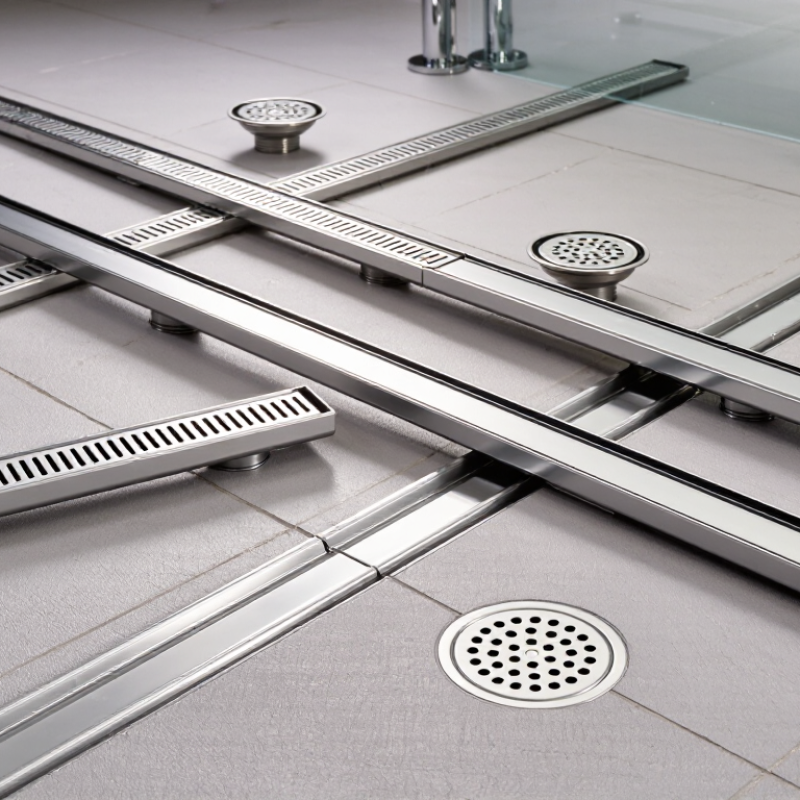
Metal shower drains are not one product category. Point drains use a compact outlet and require four-way floor slopes. Linear drains use a long channel, allowing one-way slopes and easier large-format tile installation. Tile-insert covers hide the grate, while perforated covers prioritize faster visual inspection. These are core design differences, not just style choices.
The 2024 U.S. Houzz Bathroom Trends Study reported that 78% of renovating homeowners upgraded their showers. That figure signals demand, but it is not a universal forecast. Global buyers should still check local installation habits. The U.S. EPA WaterSense specification limits certified showerheads to 2.0 gallons per minute, or 7.6 liters per minute. Drain capacity should exceed fixture demand, with practical allowance for hair and sediment.
Material choice changes long-term performance. Stainless steel offers strong corrosion resistance, while coated steel needs careful inspection around cut edges. Brass components can provide rigidity, but mixed metals may create galvanic corrosion in wet environments. EN 1253 and ASME A112.6.3 provide useful benchmarks for drainage safety and load performance. However, compliance does not guarantee a good installation. Waterproofing depth, outlet position, cleaning access, and tile tolerance matter equally. I would not choose a slim grate before confirming the trap, membrane, and available fall. That mistake looks small, but repairs rarely are.
For global buyers, material selection should start with the bathroom environment, not appearance. The World Stainless Association reported 58.4 million tonnes of crude stainless steel production in 2023. This scale reflects stainless steel’s broad industrial use, but it does not make every grade suitable for wet rooms. Grade 304 works well in many indoor bathrooms. Grade 316 offers stronger resistance where chloride exposure is higher, such as coastal hotels or heavily chlorinated facilities. Check the material certificate, not only the sales description. Small details matter.
Finish affects both hygiene and durability. A smooth, properly brushed surface gives fewer places for soap residue to collect. Polished surfaces can look excellent, but scratches become more visible. PVD finishes may improve color stability, yet poor preparation underneath can still cause peeling. ISO 9227 and ASTM B117 provide salt-spray testing methods for comparative corrosion evaluation. They do not predict exact service life in every bathroom. That limitation deserves attention. A drain passing a laboratory test may still fail after standing water, damaged plating, or incompatible cleaners. EN 1253 is also relevant for drainage components, including functional requirements and testing. Buyers should request test conditions, coating thickness, drainage performance, and inspection records. In my experience, the weakest point is often the connection between the grate and frame, not the visible surface. Allow for installation errors. Design reviews should question them.
| Material or Construction | Typical Composition or Specification | Relative Corrosion Resistance | Recommended Shower Environment | Common Surface Finishes | Relevant Standards and Tests | Key Buying Considerations |
|---|---|---|---|---|---|---|
| 304 Stainless Steel | Austenitic stainless steel containing approximately 18% chromium and 8% nickel; commonly supplied to ASTM A240 or EN 10088-2 requirements. | Good Suitable for ordinary indoor bathrooms when regularly cleaned and properly fabricated. |
Residential and commercial bathrooms with normal freshwater exposure and moderate humidity. | Brushed No. 4, satin, mirror-polished, bead-blasted, electropolished, or PVD decorative coating. | Material verification to ASTM A240 or EN 10088-2; corrosion screening may use ISO 9227 or ASTM B117, although salt-spray results do not directly predict every installed condition. | Check weld quality, drainage slope, passivation, edge finishing, and protection against iron contamination during manufacturing. |
| 316 or 316L Stainless Steel | Austenitic stainless steel with molybdenum, typically around 2% to 3%, for improved resistance to chlorides; 316L has reduced carbon content for welded parts. | Very Good Higher resistance to chloride-induced pitting than 304 stainless steel. |
Coastal buildings, humid climates, premium hotels, spas, pools, and bathrooms exposed to salt-containing cleaning products. | Brushed, satin, mirror-polished, electropolished, or decorative PVD finish over a properly prepared stainless surface. | Material verification to ASTM A240 or EN 10088-2; welding and passivation should be assessed where applicable; ISO 9227 or ASTM B117 can support comparative coating tests. | Confirm that the drain body, grate, screws, and hidden supports use compatible corrosion-resistant materials rather than only a 316L top plate. |
| Duplex Stainless Steel 2205 | Duplex stainless steel containing chromium, nickel, and molybdenum with a mixed austenitic-ferritic structure; often specified to ASTM A240 or EN 10088-2. | Excellent Strong resistance to chloride pitting and stress-corrosion cracking, subject to correct fabrication. |
Highly humid coastal projects, seawater-adjacent facilities, and demanding commercial installations where long service life is prioritized. | Brushed, satin, pickled and passivated, or electropolished. | Material and mechanical requirements may be referenced to ASTM A240; corrosion testing and weld qualification should be agreed in the purchase specification. | Usually higher cost than 304 or 316L; verify heat treatment, welding procedure, ferrite balance, and availability of replacement components. |
| Nickel-Plated Brass | Copper-zinc alloy body with a nickel surface layer; construction and plating thickness should be defined in the technical specification. | Moderate to Good Performance depends heavily on base alloy quality, plating adhesion, thickness, and exposure conditions. |
Indoor bathrooms where a traditional metallic appearance and substantial component weight are desired. | Bright nickel, satin nickel, chrome-over-nickel, or other decorative plated finishes. | Plating thickness and adhesion may be verified using applicable ASTM or ISO coating methods; neutral salt-spray testing to ISO 9227 or ASTM B117 may be used for comparative evaluation. | Inspect for pinholes, blistering, edge coverage, and dezincification risk. Avoid assuming that a decorative plating alone makes the entire assembly corrosion-proof. |
| Aluminum Alloy | Lightweight aluminum alloy, generally protected with anodizing, powder coating, or another conversion coating. | Moderate Can perform well indoors, but alkaline cleaners, galvanic contact, and damaged coatings can accelerate corrosion. |
Weight-sensitive installations in indoor bathrooms with controlled cleaning chemicals and limited salt exposure. | Anodized, powder-coated, or hard-coated surfaces. | Anodizing quality can be assessed using applicable ISO or ASTM anodic-coating methods; coating resistance may be compared using ISO 9227 or ASTM B117. | Separate aluminum from dissimilar metals where galvanic corrosion is possible; verify coating thickness, drainage of concealed sections, and chemical-cleaner compatibility. |
| 304 Stainless Steel with PVD Finish | 304 stainless steel substrate with a physical vapor deposition decorative layer, commonly used for colored or metallic architectural finishes. | Good The stainless substrate provides the primary corrosion resistance; the visible finish must remain intact. |
Indoor residential and hospitality bathrooms requiring black, gold, bronze, or other decorative colors. | PVD black, champagne, gold, bronze, gunmetal, or similar vapor-deposited finishes. | Use adhesion, abrasion, chemical-resistance, and comparative salt-spray testing; ISO 9227 or ASTM B117 should be reported with test duration and failure criteria. | Ask for coating thickness, color consistency, cleaning limitations, and test results on the complete finished part rather than on flat sample panels only. |
| 316L Stainless Steel with Electropolishing | 316L stainless steel with an electrochemical surface treatment that smooths and cleans the surface and can improve resistance to contamination retention. | Very Good Particularly suitable where hygiene, cleanability, and chloride resistance are important. |
Healthcare, wellness, coastal, commercial, and high-use shower areas. | Bright electropolished, satin, or combined electropolished and brushed surfaces. | Base material to ASTM A240 or EN 10088-2; passivation and surface-treatment procedures should be documented; comparative corrosion tests may use ISO 9227. | Confirm uniform treatment inside slots, around welds, and on concealed edges. Electropolishing does not correct poor drainage design or crevice geometry. |
| Welded Stainless Steel Drain Assembly | Fabricated stainless-steel body, grate, flange, and outlet joined by welding; quality depends on weld design and post-weld treatment. | Good to Very Good Depends on grade selection, weld cleanliness, heat control, and passivation after welding. |
Projects requiring custom lengths, linear channels, tile-insert covers, or load-rated commercial assemblies. | Brushed, satin, polished, electropolished, or PVD-finished visible surfaces. | Specify material grade to ASTM A240 or EN 10088-2; use documented welding procedures, visual inspection, leak testing, and passivation where required. | Look for continuous, smooth welds without crevices or heat tint. Confirm outlet size, waterproofing flange design, grate load rating, and cleanability. |
| Surface Finish: Brushed or Satin | Mechanical finishing that creates a directional texture and reduces the visibility of minor marks compared with a high-gloss surface. | Good when substrate is suitable Finish appearance does not replace the corrosion resistance of the underlying metal. |
General residential, hospitality, and commercial bathrooms where practical maintenance is important. | Commonly identified as No. 4 brushed or satin; exact roughness and grain direction should be specified. | Request a defined surface grade, visual sample, and cleaning instructions. Corrosion testing should be performed on the complete finished assembly. | Check for uniform grain, polished edges, no deep scratches, and consistent appearance between the grate and frame. |
| Surface Finish: Mirror Polish | Highly reflective mechanically polished surface with low visible roughness when correctly produced. | Good when maintained Scratches, embedded iron particles, and poor polishing can reduce appearance and localized corrosion resistance. |
Decorative bathrooms and premium interiors where visual reflectivity is a priority. | Mirror-polished stainless steel or polished plated metal. | Specify a visual reference sample and cleaning method; use material and corrosion requirements for the substrate in addition to appearance criteria. | More likely to show water spots, fingerprints, and scratches; avoid abrasive cleaners and verify edge and weld polishing. |
| Surface Finish: Powder Coating | Thermoset polymer coating applied to a prepared metal surface and cured at controlled temperature. | Moderate to Good Depends on pretreatment, coating thickness, edge coverage, curing, and resistance to wet-area chemicals. |
Color-matched interiors and installations where a broad range of opaque colors is required. | Matte, satin, or textured colors. | Coating thickness, adhesion, impact, and corrosion resistance can be specified using applicable ISO or ASTM coating methods; ISO 9227 or ASTM B117 may support comparative testing. | Confirm pretreatment for the base metal, repair procedure for scratches, UV stability when exposed to daylight, and compatibility with bathroom cleaners. |
| Drainage and Crevice Design | Engineering features including continuous slope, accessible water paths, rounded corners, drainage openings, and minimized stagnant zones. | Critical to service life Good geometry reduces standing water and deposits that can promote localized corrosion. |
All shower environments, especially high-use, coastal, and hard-water locations. | Applies to every visible or concealed finish. | Verify leak testing, dimensional inspection, water-flow testing, and compatibility with the applicable local plumbing and waterproofing requirements. | Prioritize self-draining geometry, removable hair traps, cleanable channels, sealed waterproofing flanges, and no inaccessible water pockets. |
Choosing a metal shower drain starts with flow, not appearance. A single showerhead may deliver 7.6 L/min, the maximum flow allowed by the U.S. EPA WaterSense showerhead specification. However, rain heads, hand showers, and body jets can operate together. Add their rated outputs before selecting drainage capacity. ASPE’s Plumbing Engineering Design Handbook recommends designing drainage systems around actual fixture demand and safe discharge conditions, not nominal pipe size alone.
Size must also match the floor design. A point drain suits compact showers, but a linear drain works better with large-format tiles and one-directional slope. Check the outlet diameter, grate opening, trap depth, and installation height as one system. A 50 mm outlet may be common, yet it does not guarantee adequate flow. The trap, pipe slope, debris screen, and downstream connection can reduce performance. Small details matter.
I have seen attractive drains fail because the tile slope was too shallow. Do not ignore this. For level-entry showers, keep the finished grate aligned with the waterproofing layer and confirm the required slope with local codes. EN 1253 drainage guidance and the International Plumbing Code provide useful reference points, but regional requirements still differ. A practical specification should show tested flow in L/min, tile thickness range, cleaning access, and corrosion resistance. The specification is never perfect; site tolerances and hair buildup still need review.
For global buyers in 2026, choosing a metal shower drain starts with installation codes, not appearance. A drain may fit a tile layout yet fail local rules for flow, trap access, or waterproofing. Check the required outlet size, grate loading class, and connection method before comparing finishes. Some jurisdictions require documented slip resistance or backflow protection near wet areas. Requirements vary. Consult current municipal guidance and a qualified installer.
Testing should reflect real site conditions. Ask for reports covering flow rate, leak tightness, corrosion resistance, load performance, and surface durability. Stainless steel testing should address salt exposure, cleaning chemicals, and standing water. A polished surface can hide weak welds or poor drainage falls. Request material grades, tolerances, test methods, and report dates. Do not accept a generic certificate without checking its scope. That shortcut is tempting. It can create expensive rework.
Market needs also shape the correct specification. Hotels may prioritize fast cleaning, odor control, and replaceable components. Homes often need quiet drainage, compact dimensions, and easy hair removal. Healthcare and accessible projects may demand stricter hygiene and maintenance provisions. In cold regions, installation depth and freeze protection deserve closer review. A recurring field lesson is easy to miss: drainage problems may come from poor floor slope, not the grate. Product selection cannot correct every installation mistake. Build a comparison sheet, verify local acceptance, and let site conditions guide the final choice.
2026 purchasing should begin with supplier evaluation, not attractive product photos. Ask for material certificates, production capacity, export experience, and recent inspection records. Confirm whether “stainless steel” means 304, 316, or another grade. Request a cut sample when thickness or coating is unclear. A reliable supplier explains tolerances, welding methods, drainage performance, and replacement procedures. Visit the factory when order value justifies it. If travel is impossible, use a qualified third-party audit.
Tips: Test samples with standing water, not only visual inspection. Check welds under bright light and run a ten-minute leak test. Measure grate flatness, outlet size, body thickness, and surface consistency. Compare the approved sample with mass-production pieces before shipment. Ask for carton photos and a packing test; bent grates create expensive site delays. Keep one retained sample for future claims.
Purchase planning needs realistic lead times. Include sample approval, tooling, production, inspection, ocean or air transit, and customs clearance. For 2026, request digital batch records and traceable inspection photos where available. Confirm payment stages, minimum order quantities, spare parts, and communication hours across time zones. Do not select the lowest quotation automatically. It may exclude testing, stronger packaging, or corrosion-resistant finishing. My own checklist needs revision after every shipment. Small omissions often become large costs. Good plans still need human review.
Supplier Evaluation, Quality Checks, and Purchase Planning for 2026
This suggested procurement model assigns 100 points across the most important purchasing criteria for metal shower drains. Buyers can verify material and product compliance against applicable requirements such as EN 1253, while ISO 2859-1 can be used to define sampling plans for incoming quality inspection. Corrosion resistance, drainage performance, dimensional consistency, and surface quality should be confirmed through product samples and documented inspection records.
Grade 304 suits many indoor bathrooms. Grade 316 handles higher chloride exposure, such as coastal hotels. Check the material certificate.
No. A polished surface may show scratches clearly. A brushed surface collects less residue when properly finished. Poor preparation can cause coating failure.
Request material certificates, coating thickness, drainage results, test conditions, and inspection records. Check each report’s scope and date.
Verify outlet size, grate loading class, connection method, trap access, and waterproofing details. Local requirements vary. Ask a qualified installer.
Fill it with standing water for ten minutes. Inspect welds under bright light. Measure grate flatness, outlet size, and body thickness.
Not exactly. Salt exposure tests support comparisons, but standing water and harsh cleaners create different risks. Site conditions still matter.
Poor floor slope can leave water near the grate. A good drain cannot correct every installation mistake. Review the finished gradient carefully.
Ask about material grades, production capacity, export experience, welding methods, and replacement procedures. Consider an independent factory audit for larger orders.
Allow time for samples, tooling, production, inspection, transport, and customs clearance. Confirm spare parts, minimum quantities, payment stages, and packing tests.
Not always. It may exclude testing, stronger packaging, or better corrosion resistance. I still need to question my own checklist after every shipment.
This 2026 guide helps global buyers understand how to select Metal Shower Drains for residential, hospitality, and commercial projects. It compares common drain types, including linear, point, tile-insert, and removable-cover designs, while explaining how structure, outlet position, and maintenance access affect installation and performance. Buyers will also learn how stainless steel, brass, and other suitable materials differ in durability, finish options, hygiene, and resistance to moisture, chemicals, and corrosion.
The guide explains how to match drain dimensions and flow capacity with shower size, waterproofing layers, tile thickness, and floor slope. It also highlights the importance of reviewing regional installation codes, drainage testing, load requirements, and market-specific expectations before ordering. Finally, it offers practical advice for evaluating suppliers, checking dimensions and surface quality, confirming test documentation, planning samples and production lead times, and controlling total purchasing costs for reliable long-term performance.
Xianglong