Choosing the right drain can significantly impact your plumbing system. A Rotatable Drain offers flexibility and efficiency. However, selecting the best one requires careful consideration.
When evaluating options, focus on material quality. Durable materials ensure longevity, especially in high-traffic areas. Consider the design and features. A well-designed Rotatable Drain can enhance water flow and prevent clogs. Pay attention to installation requirements as well. Some drains may require professional help, which adds to costs.
Research the brand reputation. Trusted brands provide warranties, assuring peace of mind. User reviews can reveal common issues. A drain that works perfectly for one may not suit another's needs. Therefore, assess your specific situation. What works for you might not be ideal for others. Reflect on your requirements and choose wisely.
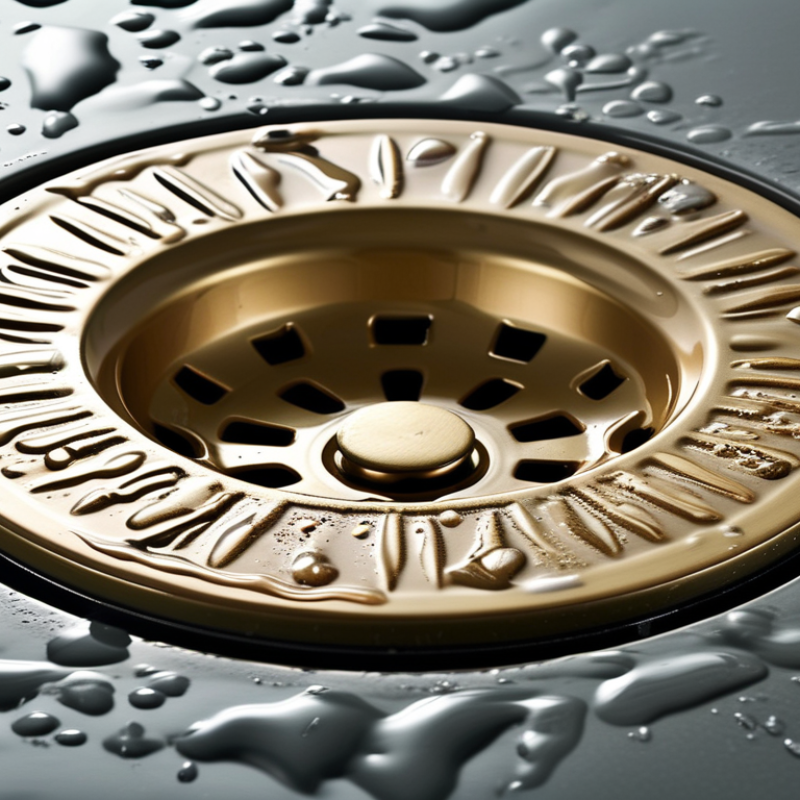
When selecting the best rotatable drain, understanding the types available is crucial. There are several options on the market, each suited for different applications. The most common types include pop-up drains, grid drains, and bottle traps. Each serves a specific purpose in various settings like kitchens, bathrooms, and outdoor spaces.
Pop-up drains are popular for their ease of use. They allow for quick drainage with a simple push. Grid drains, on the other hand, are designed to prevent large debris from blocking pipes. They are ideal for outdoor installations where leaves and dirt are common. Bottle traps are useful for managing odors and preventing clogs in sinks.
**Tip:** Consider your specific needs before purchasing. Evaluate the space and the types of debris you expect. Installation difficulty can vary. Some drains are easy to install, while others may require professional help.
Choosing the right material matters too. Stainless steel offers durability, while plastic can be lighter but less robust. Think about the climate as well; harsh temperatures may affect performance. Don’t rush your decision. Reflect on your requirements, and compare options to avoid future issues.
Selecting the right rotatable drain involves several crucial factors that can significantly affect your installation and maintenance. The first aspect to consider is the material of the drain. Common materials include plastic, stainless steel, and cast iron. Each has its pros and cons. Plastic is lightweight and resistant to corrosion, but it might not withstand heavy loads. Stainless steel offers durability and a modern finish but can be more expensive.
Another important factor is the size and configuration of the drain. Ensure it matches your plumbing layout to avoid compatibility issues. A drain that doesn't fit can lead to leaks and costly repairs. Rotatability is also essential. A drain that can easily pivot or rotate can simplify cleaning and maintenance. Look for designs that allow for smooth operation without excessive force.
Finally, think about the installation process. Some drains require complicated setups that demand professional assistance. Others are more user-friendly, allowing for simple DIY installation. Review user experiences and expert recommendations to identify potential pitfalls. A drain’s warranty and customer support also contribute to its overall value, ensuring you have help if problems arise. Making an informed choice can greatly enhance your experience over time.
| Factor | Description | Importance Level |
|---|---|---|
| Material | Choose a durable material like stainless steel or brass for longevity. | High |
| Size | Select the correct size for your plumbing requirements and installation space. | Medium |
| Rotatability | Consider how easily the drain can rotate for efficient usage. | High |
| Installation Type | Make sure the drain fits your existing plumbing layout, whether it’s wall-mounted or floor-mounted. | Medium |
| Ease of Cleaning | Opt for designs that allow easy access for cleaning and maintenance. | High |
| Aesthetic Appeal | Choose a design that complements your space while fulfilling functional needs. | Low |
When assessing drain material and durability, consider your specific usage requirements. Drains are made from various materials like plastic, metal, and ceramic. Each material has unique properties that affect longevity and performance. For instance, plastic drains are typically resistant to corrosion but may not handle heavy loads well. In contrast, metal drains provide strength but can rust if not properly maintained.
Durability often hinges on how well a material withstands environmental factors. Extreme temperatures, chemicals, and physical impact play significant roles. A ceramic drain may look appealing but could crack under pressure. On the other hand, heavy-duty metals may serve well in industrial settings. Look for products that offer high tensile strength and resistance to wear.
Installing a drain is just one piece of the puzzle. Regular maintenance is crucial for extending the life of your chosen drain. Evaluate the maintenance requirements of each material. Some may require periodic sealing or cleaning, while others might only need occasional inspections. Make informed choices, and remember that longevity isn’t just about the material. It’s also about how you treat it. Reflect on your needs and the environment in which the drain will function.
When considering the installation requirements for rotatable drains, it's essential to assess the space available and the plumbing layout. Rotatable drains are designed to be versatile, but that versatility can complicate installation. Ensure that the drain can rotate without obstruction and assess the potential for any additional plumbing needs.
Tips: Measure your existing plumbing connections. Confirm the diameter and alignment before you buy. A poorly matched drain can lead to leaks.
Also, consider the material of the drain. Stainless steel is durable but may require specific supports. Some plastic options are lighter but could compromise longevity. Always consult with a professional if you're unsure.
Tips: Choose a drain that fits your environment. Think about weather exposure if installed outdoors. Seasonal changes may affect your drain's performance, causing unexpected issues.
Maintaining a rotatable drain is essential for its longevity. Regular cleaning can prevent clogs that lead to bigger issues.
Clear visible debris after each use. This is a simple yet effective step.
Use a mixture of vinegar and baking soda monthly. This natural solution helps break down buildup.
Pour it into the drain, let it sit, then flush it with hot water. This method is safe and inexpensive.
Check for leaks often. A small leak can lead to corrosion over time. If you notice wet spots, address them quickly.
Additionally, avoid using chemical cleaners. They can harm the drain's materials.
Always prioritize gentle cleaning methods.
: Evaluate the space and plumbing layout for compatibility.
Proper measurements ensure the drain fits without leaks.
Consider durability; stainless steel lasts longer but may need supports.
Seasonal changes can impact performance and lead to issues.
Clean visible debris after each use to prevent clogs.
Use vinegar and baking soda monthly to break down buildup.
Address leaks quickly to prevent corrosion over time.
Avoid them; they may damage the drain's materials.
Regular checks can help catch leaks before they worsen.
Ignoring maintenance could lead to bigger, costly drainage problems.
When selecting the best rotatable drain for your needs, it's essential to first understand the different types available on the market. These drains vary in design and functionality, making it crucial to evaluate which type suits your specific requirements. Key factors to consider include the drain material and its durability, as choosing a resilient material can significantly impact the longevity and performance of your rotatable drain.
Additionally, the installation requirements can vary depending on the design and intended use of the drain, so it's important to follow recommended guidelines to ensure proper setup. Regular maintenance is also vital for prolonging the lifespan of your rotatable drain; simple practices can help prevent clogs and deterioration over time. By carefully considering these elements, you can make an informed decision and select a rotatable drain that best meets your needs.

Xianglong