How to Choose Anti Clog Shower Drains for Your Home?

Time:2026-07-01 Author:Mason
0%

Choosing the right anti clog shower drains can dramatically improve your home's plumbing efficiency. According to a report by the Home Improvement Research Institute, nearly 30% of household plumbing issues stem from clogged drains. This highlights the significance of selecting a quality drain.

Industry expert, Dr. John Steele, notes, “The right anti clog shower drains can save homeowners from extensive repairs.” His insight reflects the necessity of investing in durable and efficient drainage solutions. Many homeowners overlook the features that prevent clogging.

Materials, designs, and installation techniques vary widely. Not all anti clog shower drains are created equal. It's essential to assess different options based on your specific needs. Examining products beyond aesthetics can lead to informed decisions that prevent future headaches.
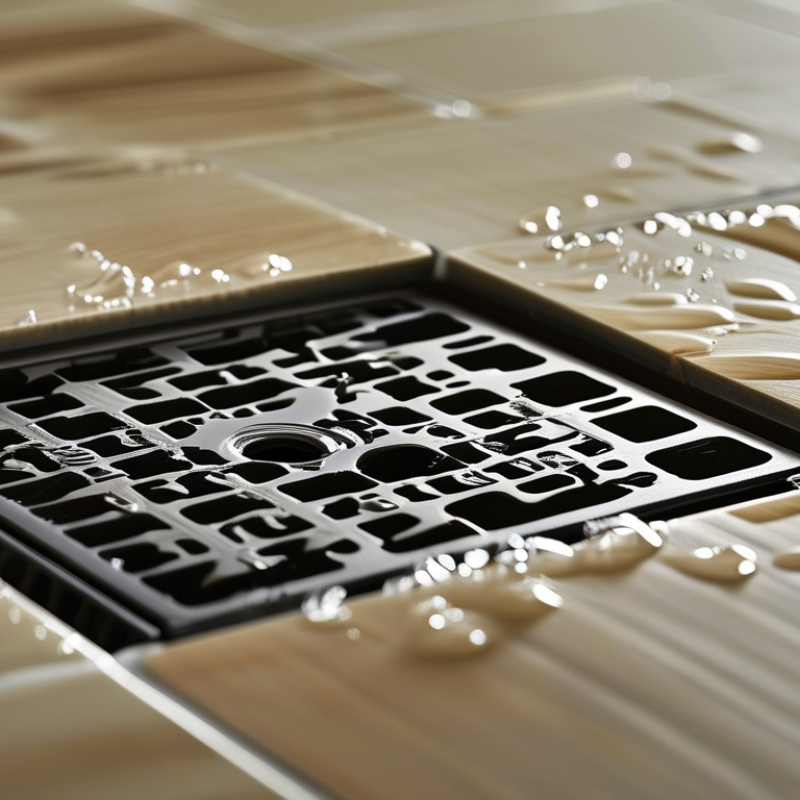
How to Choose Anti Clog Shower Drains for Your Home?

Understanding the Importance of Anti Clog Shower Drains in Home Design

When designing a home, every detail matters, including drainage systems. Anti clog shower drains are essential for maintaining cleanliness and aesthetics in bathrooms. Clogged drains lead to standing water, odors, and, ultimately, costly repairs. Homeowners often underestimate the importance of effective drainage.

Selecting the right anti clog shower drain involves understanding its mechanics. These drains typically feature specialized designs that prevent hair, soap scum, and debris from accumulating. Effective options might include those with wider openings or built-in filters. The goal is to allow water to flow freely while minimizing maintenance.

Choosing a drain that fits your bathroom's style should not overshadow its functionality. Some designs may look appealing but fail to perform. Reflect on the long-term impact of your choice. Investing in a high-quality anti clog drain can save money and effort down the line. The drainage system is not just about beauty. It plays a critical role in the overall hygiene and lifespan of your bathroom space.

Identifying Common Causes of Clogs in Shower Drains

Clogs in shower drains are a frequent nuisance. Hair is one of the primary culprits, with data indicating that it contributes to 80% of slow drains. Conditioner and soap buildup can also trap debris. An accumulation of these materials can lead to severe blockages. Regular maintenance is necessary to prevent costly plumbing repairs.

Another common issue is the presence of foreign objects. Items like soap bars, toy parts, or even small towels can find their way into drains. Studies show that improper disposal leads to 30% of clogs in residential bathrooms. Beyond just inconvenience, this can create an unsanitary environment. It's essential to educate household members about what can and cannot go down the drain.

Additionally, the age of plumbing systems plays a critical role in clogs. Older pipes can corrode and accumulate deposits, exacerbating blockages. Research reveals that homes built over 30 years ago face a higher risk of persistent drain issues. Investing in proper drain covers and conducting regular inspections can mitigate these problems. Ignoring warning signs can lead to even bigger headaches down the line.

Evaluating Different Types of Anti Clog Shower Drains Available

Choosing the right anti-clog shower drain is crucial for maintaining a clean and efficient bathroom. There are various types available, each with unique features. Some drains come with built-in filters that trap hair and debris. These filters are easy to remove and clean. Others have enhanced designs, promoting better water flow while preventing clogs.

When evaluating options, consider the materials used. Stainless steel drains are highly durable and resistant to rust. Plastic drains may be lighter but can wear out faster. Additionally, check the drain's design. A low-profile option can blend seamlessly into your shower floor, while a wider design can handle larger amounts of water.

While many showers feature standard drains, upgrading to an anti-clog model can save time and effort in the long run. Regularly removing hair and soap scum from traditional drains can be tedious. Reflect on your needs and preferences. Consider the trade-offs between design, material, and maintenance. Each shower is unique, so a little research goes a long way in choosing the best solution.

How to Choose Anti Clog Shower Drains for Your Home?

Type of Anti Clog Drain Material Clog Prevention Feature Pros Cons
Linear Shower Drain Stainless Steel Wide opening design Modern look, effective drainage Higher cost, installation complexity
Traditional Circular Drain Plastic or PVC Mesh strainer Affordable and easy to install Less effective for larger debris
Tile Insert Drain Ceramic or Stone Customizable surface Seamless integration with the floor Maintenance can be tricky
Square Drainage Grate Brass or Stainless Steel Designed to prevent hair clogs Durable, rust-resistant Can be more expensive

Key Features to Look for When Selecting Anti Clog Shower Drains

Choosing the right anti-clog shower drain for your home involves understanding key features that contribute to its effectiveness. Look for drains with a durable construction. Stainless steel or high-grade plastic can withstand heavy use. This ensures longevity and reliability. The design of the drain is also crucial. A wider opening allows for better water flow and reduces the chances of clogs.

Consider the filtration system. A good drain should have a strainer or filter that captures hair and debris. This helps keep the plumbing clear. It's beneficial to choose a drain that is easy to clean. Some drains feature removable screens that simplify maintenance. A convenient design can help you avoid plumbing issues down the road.

Another aspect to ponder is the aesthetic appeal. Anti-clog drains come in various styles and finishes. A visually pleasing drain can enhance your bathroom’s decor. However, don't prioritize looks over functionality. Sometimes the best options might not be the most attractive. Reflect on how the drain performs under daily use. Balancing style and efficiency is key. Consider how often you clean your drains. Proper maintenance is essential, even with the best products.

Installation and Maintenance Tips for Longevity of Shower Drains

When installing anti-clog shower drains, proper setup is crucial. Begin by ensuring that the drain is placed at the lowest point of the shower base, allowing for efficient water flow. Use a level to confirm the incline. This helps prevent water pooling, which can lead to clogs over time. Consider the size of the drain. A larger opening catches hair and debris in the initial stage.

Routine maintenance maintains functionality. Clean the strainer regularly, ideally every week or two. This simple act prevents buildup and keeps water draining smoothly. Don’t forget to check the pipes occasionally. Dull odors from the drain may indicate trapped debris. Use a gentle enzyme-based cleaner, not harsh chemicals, to reduce potential damage to pipes.

Over time, even the best drains can become problematic. Notice any changes in water flow. Slow drainage might signal a deeper issue. Addressing these problems early can save costly repairs later. Plumbing can be tricky, so don't hesitate to seek professional help if you feel unsure. A well-maintained drain enhances your shower experience.

FAQS

: Why are anti-clog shower drains important?

: They prevent standing water, odors, and costly repairs. Cleanliness and aesthetics matter in bathroom design.

What causes clogs in shower drains?

Hair, soap, and foreign objects contribute significantly. Regular maintenance can help avoid blockages and plumbing issues.

How can I choose the right anti-clog drain?

Look for durable materials and effective filtration systems. Consider wider openings for better water flow.

Are all aesthetically pleasing drains functional?

Not always. Some attractive designs may fail to perform effectively. Balance style with functionality in your choice.

How often should I clean my shower drain?

Regular cleaning is essential to prevent clogs. Inspecting drains monthly can save time and headaches later.

What materials are best for anti-clog drains?

Stainless steel and high-grade plastic ensure durability. They withstand heavy use and resist wear over time.

Can older plumbing systems contribute to clogs?

Yes, older pipes can corrode and accumulate deposits. Homes built over 30 years ago may face more frequent issues.

What can accumulate in shower drains besides hair?

Conditioner, soap buildup, and foreign objects like toys can cause major blockages. Education on proper disposal is necessary.

Does the design of the drain matter?

Yes, design affects functionality. Choose drains that facilitate easy cleaning and effective debris capture.

How does maintenance impact drain longevity?

Proper care can extend the life of your drain. Neglecting maintenance may lead to more significant plumbing problems.

Conclusion

Selecting the right Anti Clog Shower Drains is essential for maintaining a functional and aesthetically appealing bathroom. Understanding the importance of these drains in home design and identifying common causes of clogs, such as hair and soap buildup, can help homeowners make informed decisions. By evaluating the various types of Anti Clog Shower Drains available, one can find a suitable option that suits their specific needs.

When choosing Anti Clog Shower Drains, it's crucial to look for key features such as adequate drainage capacity, durable materials, and ease of cleaning. Additionally, installation and regular maintenance tips are vital for ensuring the longevity of your shower drains. With the right selection and care, Anti Clog Shower Drains can significantly reduce plumbing issues and enhance overall bathroom functionality.

Mason

Mason

Mason is a seasoned marketing professional with a deep expertise in the company's offerings and a passion for driving brand awareness. With a strong background in digital marketing strategies, he has an innate ability to connect with diverse audiences and effectively communicate product benefits.......