Choosing the ideal shower drains is crucial for any home. The right drain enhances functionality and aesthetics. Many overlook this aspect, yet it impacts daily routines and bathroom maintenance.
Consider the many styles available. Some drains are sleek and modern, while others are more traditional. The choice of material also plays a role. Stainless steel, plastic, and bronze each offer distinct benefits. The wrong choice can lead to clogs and unpleasant odors. Is it worth the risk?
Understanding local plumbing codes is essential. Ensuring compliance can prevent costly repairs later. While options seem endless, taking the time to research is vital for a long-lasting solution. Shower drains may seem trivial, but they are the unsung heroes of a well-designed bathroom.
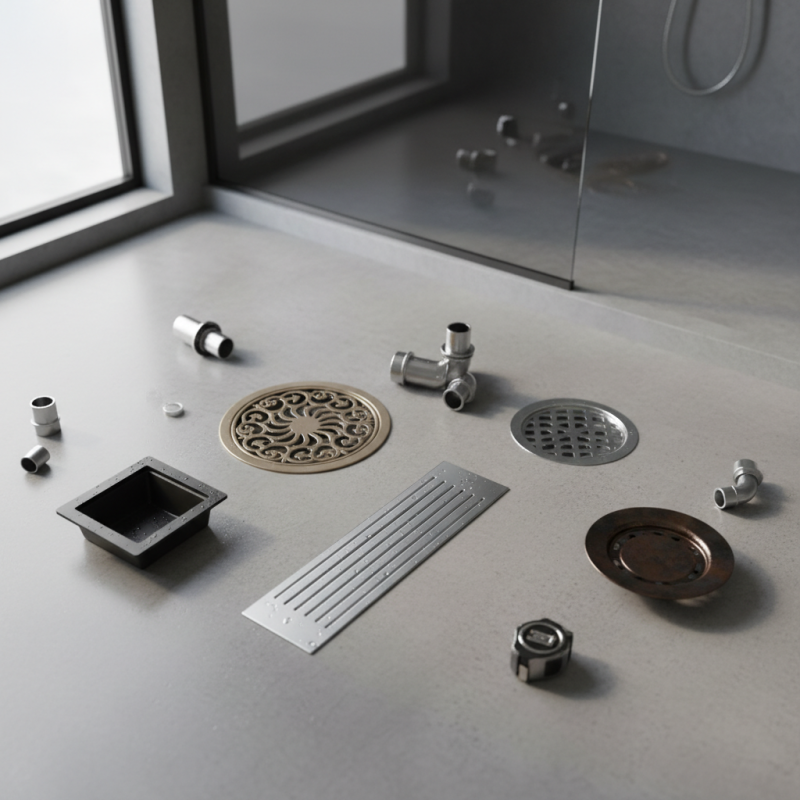
Choosing the right shower drain for your home involves several key factors. The first consideration is the material. Stainless steel is common and durable. Plastic might be cheaper but can wear out quickly. Think about where you live and the local climate. Areas with heavy rainfall may need stronger materials.
Another factor is the drain size. Ensure it fits your shower design. A larger drain can handle more water, preventing flooding. Measure the area carefully. A miscalculation can lead to unwanted expenses. It's also wise to consider the style. A sleek design can enhance your bathroom's aesthetic.
When selecting a drain, think about maintenance. Some designs collect hair and debris easily. Others can clog without proper care. Regular cleaning is needed to avoid issues. Drain covers can also be beneficial. They keep larger debris out, reducing the clean-up effort.
Tips: Always check if the drain aligns with your plumbing system. This can save you from costly adjustments later. Consider user reviews for insight into reliability. A well-reviewed product might be more trustworthy.
When it comes to shower drains, two primary types stand out: linear and point drains. Linear drains are long and rectangular, running along a wall or the shower's edge. They effectively channel water towards a central outlet, creating a sleek and modern look. This design minimizes pooling and can enhance the overall drainage efficiency.
Point drains, on the other hand, are round and typically placed at the lowest point on the shower floor. They are more traditional and often easier to install. Point drains work well in smaller, standard shower spaces. However, they might require additional slope in the floor to prevent standing water.
Tips: When choosing a shower drain, consider the floor design. A linear drain can complement a walk-in shower beautifully. Ensure that the drain placement aligns with the overall water flow for optimal use. Pay attention to the materials; stainless steel is a reliable choice for durability. It's crucial to evaluate your plumbing setup before making a final decision. An unplanned installation can lead to future headaches.
When it comes to selecting shower drains, the material plays a crucial role. Stainless steel and plastic are two common options, each with distinct advantages. Stainless steel offers durability and a sleek appearance. It resists rust and corrosion well, making it ideal for high-moisture environments. However, it can be more expensive than plastic. The investment might be worth it if you're looking for longevity.
Plastic drains are lighter and often more affordable. They come in various designs and colors, allowing for more customization. However, plastic may not offer the same level of durability. Over time, it can warp or discolor due to heat and moisture. This might lead to eventual replacement, adding to long-term costs. The choice between these materials depends on your priorities.
Consider the overall theme of your bathroom. A modern, sleek design may favor stainless steel. Meanwhile, a more casual or playful space might benefit from colorful plastic options. A minor flaw in either will require attention. Assessing your needs will help you decide what works best for your home.
This chart compares the material choices for shower drains, specifically between stainless steel and plastic. It highlights factors such as cost, durability, aesthetic appeal, and maintenance ease, providing a comprehensive overview to help homeowners make informed decisions.
When selecting a shower drain, sizing is crucial for optimal water flow. Industry standards suggest that a shower drain should accommodate at least 2.5 gallons per minute (GPM) to prevent pooling or overflow. If your shower experiences high water flow, consider drains rated for 3.0 to 4.0 GPM. This ensures that the drain can effectively handle peak water usage.
The diameter of the drain also matters. Most standard shower drains feature a 2-inch diameter. Research indicates that larger drains can significantly reduce the risk of clogs and backflow. However, a larger drain may require more space and could complicate installation. Balancing size with aesthetics and functionality can be a challenging endeavor.
It's essential to account for your specific shower setup. Some installations may benefit from multiple drains for improved flow. Be aware that specific building codes might dictate drain sizes in your area. Adhering to these standards can enhance the functionality of your shower while minimizing potential issues. Missing these details can lead to inadequate drainage and uncomfortable showers.
When installing shower drains, proper techniques are crucial for effective drainage. Start by assessing the slope of your shower floor. A slope of at least 1% to 2% towards the drain ensures that water flows efficiently. Use a level to check this before pouring any concrete or tile. If the slope is inadequate, water will pool, leading to potential mold growth.
Choosing the right type of drain is also essential. There are various styles available, including linear and point drains. Linear drains can be ideal for large, walk-in showers. They allow for flexibility in design and easy installation. Ensure that the chosen drain matches the existing plumbing setup. This avoids complications that might arise during installation, such as misalignment.
During installation, always double-check your work. Misplaced seals and improper fittings can lead to leaks. Take your time to secure each connection. If your drain isn’t sealed correctly, you might face costly repairs in the future. Reflecting on the installation process can help identify areas for improvement. Maintaining a reliable drainage system is key to a functional bathroom.
: Stainless steel is a popular choice due to its durability. Plastic is cheaper but wears out quickly.
Measure your shower area carefully. A larger drain handles more water, preventing flooding.
A sleek design can enhance your bathroom's aesthetic. Choose based on your style preference.
Maintenance is crucial. Some designs collect debris easily, requiring regular cleaning to avoid clogs.
The two types are linear drains and point drains. Each has its own benefits and placement considerations.
Linear drains create a modern look and improve drainage efficiency, reducing pooling in the shower.
A linear drain suits walk-in showers well. Ensure it aligns with the water flow for best results.
Check if the drain aligns with your plumbing to avoid costly adjustments and future headaches.
When selecting the best shower drains for your home, various factors must be taken into account to ensure optimal performance and aesthetics. One of the primary considerations is the type of shower drain you need, with options ranging from linear drains, which provide a sleek look and efficient water flow, to point drains, which are traditionally circular and often more cost-effective. Additionally, the choice between materials is crucial; stainless steel offers durability and a modern finish, while plastic may be more affordable but might not last as long.
Proper sizing of your shower drain is also essential, as adhering to industry standards aids in achieving the best water flow and prevents clogs. Lastly, familiarizing yourself with installation techniques and best practices is vital for ensuring efficient drainage. By understanding these key elements, you can make an informed decision when choosing shower drains that not only meet your functional needs but also complement your bathroom’s design.

Xianglong