Choosing the right square floor drain is crucial for effective plumbing solutions. A well-selected drain can prevent costly water damage and ensure proper drainage. According to industry reports by the American Society of Plumbing Engineers, a suitable floor drain enhances safety and prevents water accumulation. The expected market growth for drainage products is projected to rise by 5% annually, emphasizing the need for informed purchasing.
Understanding the specific requirements of your space is vital. Not all square floor drains are created equal. Some are designed for heavy-duty usage, while others cater to residential applications. The right choice can affect both functionality and aesthetic appeal. Consider factors like material, size, and drainage capacity. Research shows improper installation can lead to leaks or blockages, highlighting the need for expert guidance.
While many options exist, it’s easy to overlook quality. Poor choices can lead to frequent maintenance and inconvenience. Ensure the square floor drain you choose has a reliable warranty and proven performance records. Ignoring these aspects may result in unexpected challenges down the road. A careful selection process will empower you to make the best decision for your specific drainage needs.
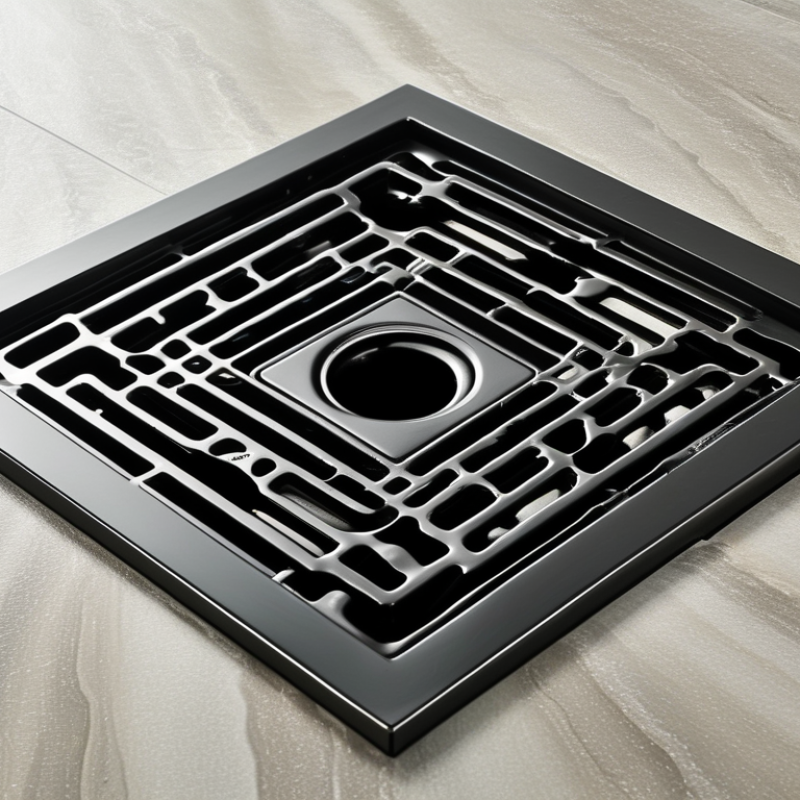
Choosing the right square floor drain is essential for effective drainage and hygiene. A poorly selected drain can lead to water pooling and unpleasant odors. According to industry data, improper drainage systems can increase maintenance costs by up to 30%. This highlights the importance of making informed choices.
When selecting a drain, consider material and design. Stainless steel drains offer durability and corrosion resistance, making them a popular choice. Research shows that a well-designed drain can improve water flow by 50%, significantly reducing the risk of clogs. Additionally, ensuring the drain integrates well with your flooring is crucial for both aesthetics and functionality.
The size and capacity of the drain should also match the specific needs of your space. A drain that is too small can lead to overflow, causing safety hazards. Conversely, an oversized drain may fail to effectively manage water flow. Experts recommend assessing your area’s needs based on traffic and moisture levels. Reflecting on these factors will lead to a more efficient drainage solution.
| Criteria | Description | Recommended Materials | Common Uses |
|---|---|---|---|
| Size | Choose based on the area size and drainage requirements. | Stainless Steel, PVC | Bathrooms, Kitchens |
| Flow Rate | Evaluate necessary flow rate based on usage. | Cast Iron, Plastic | Commercial Spaces, Showers |
| Grate Design | Select design for easy cleaning and aesthetic appeal. | Decorative, Standard Grates | Residential, Public Facilities |
| Installation Type | Consider either floor-mounted or wall-mounted options. | Integral, Surface-mounted | Industrial, Outdoor Areas |
| Maintenance | Ensure ease of maintenance for longevity. | Corrosion-resistant, Easy to Disassemble | All Applications |
: Proper drainage prevents water pooling and odors. It reduces maintenance costs and improves drainage efficiency.
Stainless steel and plastic are common options. Stainless steel is durable and resists corrosion better than plastic.
A drain too small can cause overflow. An oversized drain may accumulate debris, increasing cleaning needs.
Install the drain at the lowest floor point. This uses gravity to enhance water flow and prevent clogs.
Monthly inspections are recommended to catch blockages early. Regular cleaning is vital for optimal performance.
Yes, almost 30% of drainage problems stem from poor installation. It can lead to clogs and unwanted odors.
A vinegar and baking soda mixture is effective. Let it sit before using hot water to flush it out.
Yes, local drainage requirements vary. Always research before installation to ensure compliance and effective performance.
Assess potential rainwater impact and drainage needs. The area’s moisture levels affect the drain's effectiveness.
Regular checks and maintenance help spot emerging issues. Reflecting on performance data ensures ongoing efficiency.
Choosing the best square floor drain is crucial for effective drainage in various environments, whether residential or commercial. Understanding the importance of selecting the right drain involves evaluating your specific drainage needs, which can vary based on factors such as the area’s use and potential water volume.
When comparing different types of square floor drains, it is essential to consider the materials available, as these directly impact durability and performance. Additionally, effective installation and regular maintenance are key to ensuring optimal functionality and longevity of the square floor drain. By paying careful attention to these aspects, you can make an informed decision that meets your unique requirements.

 Xianglong