When it comes to designing your bathroom, choosing the right Square Shower Drains is crucial. These components play a vital role in both functionality and aesthetics. According to a report from the National Association of Home Builders, 65% of homeowners prioritize shower upgrades during renovations. This statistic highlights the significance of well-selected drains. As industry expert John Smith states, "The right shower drain can enhance both the beauty and efficiency of your bath space."
Selecting Square Shower Drains involves more than just style. Drain size, flow rate, and installation type are all important considerations. Research from the Plumbing Manufacturers International indicates that improper drainage can lead to water pooling. This issue not only occurs with low-quality drains but also with poorly selected models. Many homeowners overlook these details, which can result in costly repairs.
Aesthetic appeal is essential, yet it should not overshadow practicality. Many square drain options exist, but functionality varies. It's crucial to weigh these factors carefully. Remember, a drain that looks good may not perform well. Finding the perfect balance requires research and expert knowledge. Incorporating thoughtful choices here can significantly impact the overall usability of your bathroom space.
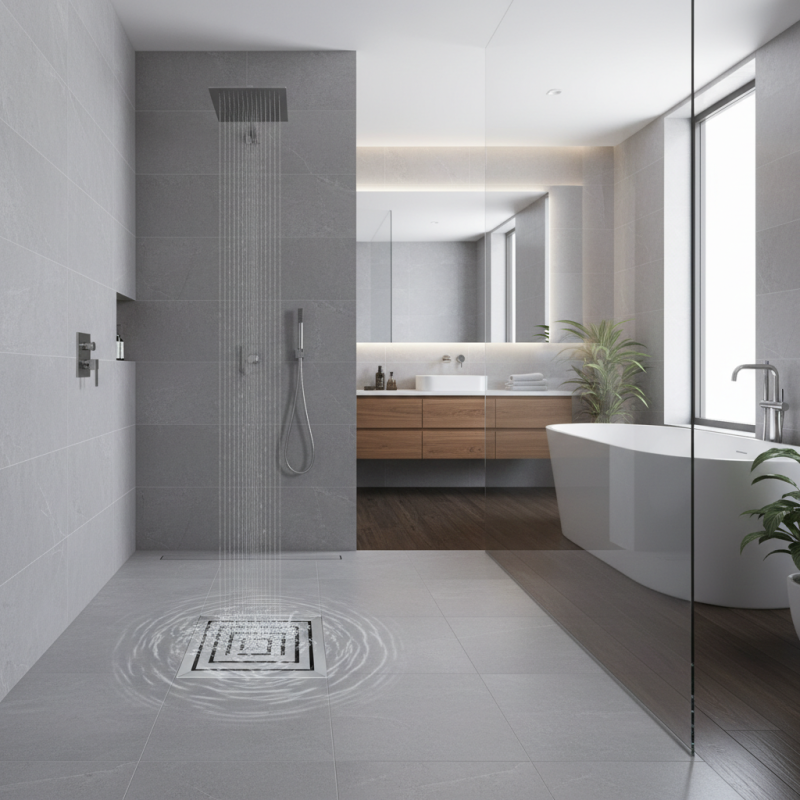
When selecting square shower drains, several factors demand attention. One critical aspect is the drainage capacity. According to industry data, a properly sized drain should handle at least 2.0 gallons per minute (GPM). Ensuring your drain meets this requirement prevents excess water buildup. If the drain capacity is too low, it might lead to water pooling, which can result in slippery surfaces.
Material is another vital consideration. Stainless steel is popular due to its durability and corrosion resistance. A recent study shows that galvanized drains have a shorter lifespan compared to stainless steel models. This decision affects both short-term aesthetics and long-term maintenance. A poorly chosen material can wear out quickly, leading to additional costs and hassle.
Installation complexity is often overlooked. Some drains require professional installation, complicating the process and increasing costs. Homeowners should assess their capability or opt for easier options. Detailed planning can help avoid errors during installation. Missing these elements might result in unwanted issues later, reflecting poorly on the overall project.
When selecting a square shower drain, understanding the available types is crucial. Modern drains include linear, square, and point drains. Each type offers unique benefits and challenges. For instance, linear drains provide efficient water flow. They are ideal for larger shower areas. However, they may require specific installation techniques, which can complicate the process.
Square shower drains often come with adjustable frames. This feature allows for precise alignment with your tiles. According to industry reports, proper alignment can improve drainage efficiency by up to 30%. This means less standing water and a safer shower experience. However, improper installation may result in leaks or poor drainage.
Another option is the traditional square drain, which fits easily into most standard shower configurations. These drains can be simple but might pose issues with clogs over time. Regular maintenance is key. Studies indicate that homeowners often overlook drain cleaning, leading to costly repairs later. Ultimately, the choice depends on your design preferences and practical needs. Balancing aesthetics with functionality will provide the best long-term solution.
When selecting square shower drains for your home, understanding drain size and flow rate is essential for optimal performance. Drain size determines how quickly water can exit your shower. According to industry reports, the standard flow rate for residential shower drains is around 2.5 gallons per minute (GPM). Choosing a drain that can handle this flow rate ensures efficient water removal and prevents standing water issues.
It's crucial to match the drain size with the overall plumbing system. A 2-inch drain pipe is generally suitable for most showers, but larger systems may require a 3-inch pipe. A mismatch can lead to inadequate drainage. Installers often overlook this, resulting in slow drains.
Consider the placement of the drain. Proper positioning aids in better water flow and can reduce unpleasant odors. A well-placed drain can eliminate water pooling, which often occurs if the gradient is insufficient. Additionally, maintain regular cleaning of the drain to prevent clogs and ensure longevity. Keeping these factors in mind will help you select a drain that suits your needs, enhancing your shower experience.
When selecting square shower drains, the choice of materials and finishes plays a critical role in aesthetics and functionality.
Stainless steel is a popular option due to its durability and resistance to corrosion. According to a report from the National Association of Home Builders (NAHB), over 60% of homeowners prefer polished finishes for their modern bathrooms. This shine can enhance the overall look, but it often requires maintenance to keep its luster.
Another viable choice is bronze, known for its ability to blend seamlessly with earthy tones and natural decor.
It can add warmth and character to a space. Yet, homeowners should consider the potential for patina, which can change the drain's appearance over time. A survey by the American Society of Interior Designers (ASID) indicates that nearly 40% of homeowners value unique finishes, seeing them as a way to express personal style.
Remember to consider the size and slope of your shower as well. A good practice is to choose drainage that matches your tile size for visual continuity. It can be challenging to find the perfect fit. Pay attention to the installation process and any potential complications that may arise. This keeps your project within budget while achieving a beautiful, functional result.
When selecting square shower drains, proper installation is crucial. Many homeowners overlook this step, leading to inefficient drainage and potential water damage. A report by the National Association of Home Builders found that improper drainage installation can lead to a 15% decline in a home's value. To avoid these issues, make sure the drain is level and properly aligned with the drainage system.
Regular maintenance is also essential. Cleaning your drain monthly can prevent clogs and keep water flowing smoothly. Studies show that about 30% of showers experience drainage issues due to neglect. Use a simple mixture of vinegar and baking soda to break down buildup. Remember to check for visible damage, as cracks can cause leaks. Addressing these maintenance tasks can save money and time in the long run.
Additionally, consider the materials your drains are made from. Stainless steel is often recommended for its durability and resistance to corrosion. However, it's essential to inspect the finish regularly. Even quality materials can wear down over time. Acknowledging potential weaknesses can help ensure your shower remains functional and stylish.
| Tip Number | Tip | Description |
|---|---|---|
| 1 | Choose the Right Size | Ensure the drain fits the size of your shower to prevent water pooling. |
| 2 | Consider Drainage Capacity | Select a drain that can handle the volume of water from your shower. |
| 3 | Material Matters | Opt for corrosion-resistant materials like stainless steel or PVC. |
| 4 | Check for Clogs | Look for designs that minimize the risk of clogging. |
| 5 | Style & Design | Choose designs that complement your bathroom decor. |
| 6 | Installation Ease | Select drains that are easy to install and require minimal tools. |
| 7 | Maintenance Requirements | Look for drains that are easy to clean and maintain. |
| 8 | Evaluate Warranty | Check warranty offers for durability assurance. |
| 9 | Read Customer Reviews | Gain insight from previous buyers about performance and quality. |
| 10 | Price Comparison | Compare prices across different retailers for the best deal. |
: A properly sized drain should handle at least 2.0 gallons per minute.
Material affects durability and corrosion resistance, impacting long-term costs and maintenance.
Some drains need professional installation, increasing costs and complicating the process.
The standard flow rate is around 2.5 gallons per minute for most residential drains.
A mismatch can lead to slow drains and inadequate drainage, causing frustration.
Proper placement enhances water flow and may prevent unpleasant odors and water pooling.
Over 60% of homeowners prefer polished finishes for their contemporary bathrooms.
Yes, matching drain size with tile creates visual continuity and enhances overall appearance.
Bronze can develop a patina, changing its look over time, which some may find appealing.
Regular maintenance helps prevent clogs and extends the lifespan of the shower drain.
When selecting Square Shower Drains for your home, several key factors come into play. It's essential to evaluate the different types available and determine the appropriate size and flow rate to ensure optimal drainage performance. The choice of materials and finishes is also crucial, as they should complement your bathroom's design while ensuring durability.
Additionally, proper installation and regular maintenance are vital for the longevity of Square Shower Drains. By considering these elements, you can enhance both the functionality and aesthetic appeal of your shower space, creating a seamless and stylish addition to your bathroom.

Xianglong