When considering the best solutions for bathroom drainage, "Metal Shower Drains" emerge as a top choice among global buyers. According to industry expert John Smith, "Quality metal drains combine style with durability." This insight underscores the importance of selecting the right materials for both functionality and aesthetics.
Metal shower drains not only enhance a bathroom's visual appeal but also contribute to longevity and ease of maintenance. Manufacturers offer a range of styles and finishes, catering to different design preferences. Buyers often struggle with choices, given the variety available. It's essential to understand that not all metal showers are created equal. Some may corrode faster than others.
Investing in high-quality materials can prevent premature wear and costly replacements. A wise choice today can save challenges in the future. Potential buyers should evaluate each product's design, material, and manufacturer reputation. Identifying trustworthy brands can provide peace of mind and secure long-term satisfaction.
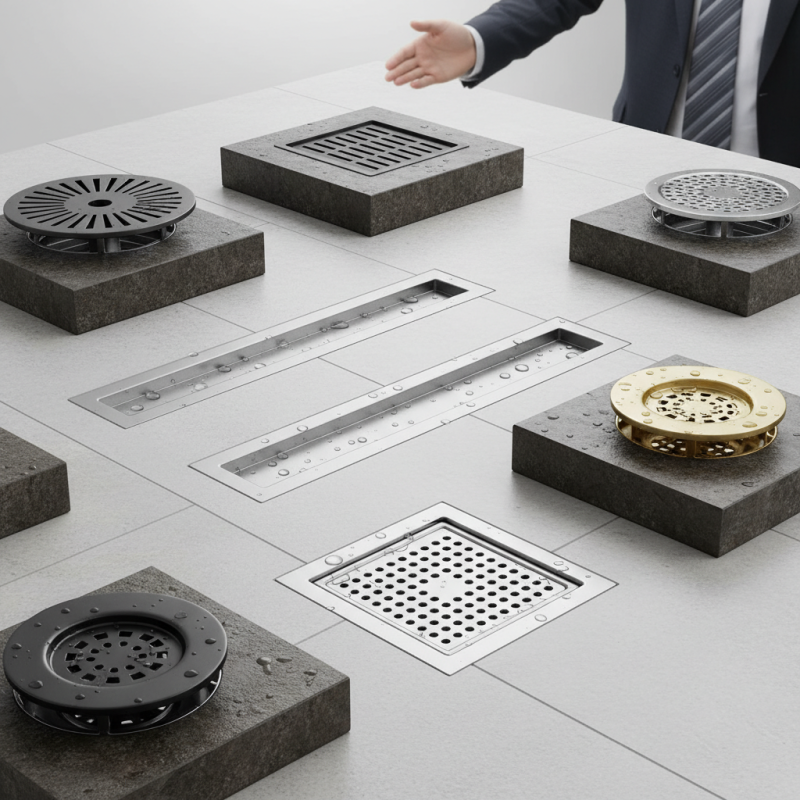
In 2026, metal shower drains are experiencing significant design and material shifts. The global market for these products is anticipated to reach USD 2 billion, driven by a rise in demand for durable and stylish bathroom fixtures. Stainless steel remains the most popular choice due to its corrosion resistance and modern appearance. However, innovative materials like bronze and brass are gaining traction due to their aesthetic appeal.
Sustainability is influencing design trends as well. Manufacturers are increasingly focusing on eco-friendly practices. Some reports suggest that over 40% of consumers now prefer products with sustainable components. This trend reflects a broader shift toward environmentally conscious design in the plumbing industry. Yet, challenges persist. Not all companies are transparent about their sourcing and manufacturing processes, which can complicate buyers' decisions.
Consumers often seek both functionality and elegance in their bathroom designs. Customization options for shape and size are becoming essential. Aesthetically pleasing drains can enhance the overall ambiance. Yet, some designs may lack practicality and hinder accessibility. Overall, while the market offers numerous exciting developments, buyers must remain discerning in their selections.
When selecting high-quality metal shower drains, several key features should be prioritized. The material used is crucial. Stainless steel or brass is preferred for their durability and resistance to rust. These materials not only last longer but also provide a sleek finish that enhances the bathroom's aesthetic.
Another important feature is the drainage capacity. A drain that manages water flow efficiently helps prevent flooding and standing water. Consider the drain's design as well. A well-designed grate allows for easy cleaning and maintenance. The pattern and size of the openings should minimize the chance of hair and debris clogging the drain.
Finally, think about ease of installation. Metal drains should come with a straightforward installation guide. Some drains require special tools or skills, which may put off some buyers. Reflecting on these aspects can ensure that you choose a drain that meets your needs while avoiding common pitfalls.
When exploring the metal shower drain market, understanding top manufacturers can guide buyers. These manufacturers focus on durability, design, and functionality. Selecting high-quality metal drains enhances bathroom aesthetics while preventing clogging and water issues.
Tips for choosing the right drain include considering material types like stainless steel or brass. Stainless steel resists corrosion and is easy to maintain. Brass offers an elegant touch but may require more upkeep. Always consider drainage capacity; a well-designed drain can prevent water pooling and improve safety.
Another important aspect is installation ease. Some models require professional help, while others allow for DIY installation. Double-checking sizing is crucial. An ill-fitting drain can lead to leaks and damage. Reflecting on these factors will help create a seamless bathing experience.
When selecting metal shower drains, flow rates and durability are key performance metrics. Understanding these aspects can enhance the overall bathing experience. A drain’s flow rate determines how quickly water leaves the shower area. Proper drainage prevents pooling and slips, adding comfort and safety. Manufacturers often test this flow under various conditions. This practice provides potential buyers with insights into real-world performance.
Durability is equally important. Metal shower drains should withstand corrosion and pressure. Materials like stainless steel offer strength and longevity. However, not all metal drains are created equal. Some may show wear faster due to factors like water chemistry or frequent use. Regular maintenance can help identify draining issues early. Buyers should know what to look for regarding signs of rust or material degradation.
Evaluating these metrics requires a keen eye for detail. Testing flow rates in real-life scenarios rather than just relying on specifications can provide a clearer picture. Additionally, researching user experiences can reveal patterns in durability over time. Seeking expert opinions can further support informed choices. The investment in quality drains pays off when they perform as expected, ensuring a reliable and enjoyable shower experience.
| Model | Flow Rate (GPM) | Material | Durability (Years) | Finish Type | Warranty (Years) |
|---|---|---|---|---|---|
| Model A | 2.5 | Stainless Steel | 15 | Brushed | 5 |
| Model B | 3.0 | Brass | 12 | Polished | 3 |
| Model C | 2.0 | Aluminum | 10 | Anodized | 4 |
| Model D | 2.8 | Stainless Steel | 20 | Matt | 7 |
When installing metal shower drains, attention to detail is crucial. Start by selecting a drain that matches your bathroom's aesthetic. Ensure the drain fits the correct dimensions for your shower area. Measure the space carefully. A snug fit prevents future leaks and issues.
During installation, it's essential to prepare the subfloor properly. Clean the surface and check for any imperfections. An uneven subfloor can cause drainage problems later. Use a level to confirm flatness. Apply a suitable waterproofing membrane around the drain area. This extra step helps prevent water damage.
In addition to these practical steps, consider the angle of the drain. A slight slope directs water toward the drain effectively. If this angle isn't right, water pools and invites mold growth. Remember, this process can be more complex than it seems. Don't rush; careful installation pays off in the long run. If you're unsure, seeking professional assistance might be a wise choice.
: Stainless steel and brass are preferred for their durability and rust resistance.
A drain with efficient drainage capacity prevents flooding and standing water, enhancing comfort.
A well-designed grate allows easy cleaning and minimizes hair and debris clogging.
Some models are easy to install. Others may need special tools or skills, which can be daunting.
Flow rates and durability are crucial for preventing water pooling and ensuring safety.
Proper flow rates help reduce slips by preventing water from pooling in the shower area.
Regular checks for rust or wear can help identify problems early and prolong drain life.
Stainless steel is strong, but some metals may wear out quickly due to usage and water chemistry.
Reflecting on features can help avoid common pitfalls and ensure the drain meets your needs.
Look for durable materials, good drainage capacity, and a design that allows easy cleaning.
The article titled "2026 Top Metal Shower Drains for Global Buyers Guide" explores the latest trends in the design and materials of metal shower drains, emphasizing the evolution of their aesthetic and functional aspects. It highlights key features to consider when purchasing high-quality metal shower drains, such as corrosion resistance, flow rates, and overall durability.
Moreover, the article provides a comprehensive overview of the market, including the leading manufacturers that contribute to this sector. It also discusses performance metrics essential for evaluating metal shower drains, focusing on flow rates and how they affect user satisfaction. Finally, the article offers best practices for installation, ensuring that consumers can maximize the efficiency and longevity of their metal shower drains in their homes.

Xianglong